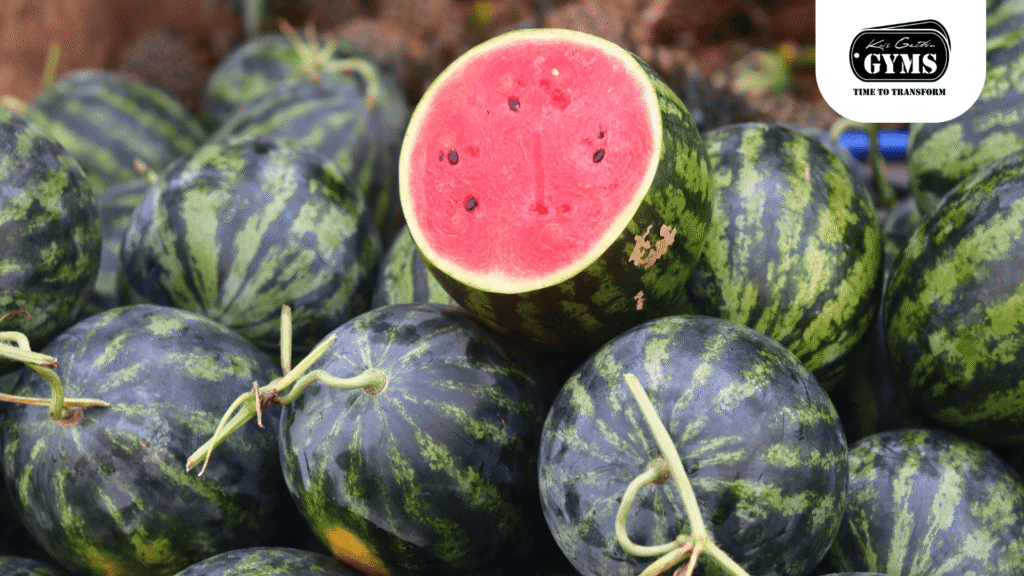
Someone cuts into a watermelon on a hot afternoon, and somewhere in the back of their mind a small voice says this is probably too sweet to be smart.
That instinct isn’t entirely wrong, but it’s not quite right either. Watermelon sits in a genuinely confusing spot nutritionally, sweet enough to trigger sugar anxiety, hydrating enough to feel like it should be harmless.
The actual answer requires understanding two numbers that get used interchangeably far too often, and once that distinction is clear, watermelon stops being a fruit to fear.
Glycemic Index Versus Glycemic Load : The Distinction That Changes Everything
Watermelon carries a high glycemic index, sitting around 72, a number that measures how quickly the carbohydrates in a food raise blood sugar relative to a standard reference like glucose or white bread. On paper, that number looks alarming.
Here’s what that number misses entirely: it says nothing about how much sugar is actually in a realistic serving. Glycemic load fixes that gap by factoring in both speed and quantity together, and watermelon’s glycemic load tells a completely different story.
A hundred grams of watermelon contains roughly 5 to 6 grams of sugar, about a teaspoon’s worth, and a typical 150-gram serving, one or two slices, contains only around 7.5 grams of carbohydrates in total. That translates to a glycemic load of roughly 4, which sits firmly in the low range.
Real-world glucose testing backs this up. A 150-gram serving of watermelon eaten on an empty stomach has been shown to raise blood glucose by around 25 mg/dL in controlled self-testing, comfortably below the 30-point threshold generally considered a meaningful spike.
The high GI number that scares people off watermelon simply doesn’t translate into the blood sugar impact that number implies, provided the portion stays reasonable.
How To Eat Watermelon Without Triggering A Spike
Pairing watermelon with protein or healthy fat is the single most effective strategy for blunting any sugar impact it does have.
A handful of nuts or a small protein shake alongside a watermelon serving slows digestion and glucose absorption meaningfully, meaning the natural sugars enter the bloodstream more gradually rather than all at once.
This pairing strategy has practical, genuinely tasty applications. Watermelon with feta, a combination that sounds unusual until you try it, or watermelon with walnuts, both slow the glycemic effect considerably while adding genuine flavor complexity rather than just functioning as a blood sugar hack.
Sticking to fresh slices instead of juiced watermelon matters here too, juicing strips out the fiber that would otherwise slow sugar absorption, concentrating the sugar hit into a much smaller volume consumed much faster.
Eating watermelon alongside fiber-rich foods, a salad or a portion of whole grains, extends this same slowing effect further.
Portion Size is Where The Real Risk Actually Lives
The concern with watermelon isn’t the fruit itself. It’s quantity. Consuming large amounts, 400 grams or more in a single sitting, can genuinely raise blood sugar meaningfully, given the sheer volume of fructose that accumulates at that serving size.
A moderate portion, 150 to 200 grams, tells a completely different story. At that size, watermelon actually functions as a useful, fast-acting energy source, particularly relevant for anyone managing occasional blood sugar dips or mild hypoglycemia.
It’s also worth noting where watermelon sits relative to other fruits people reach for casually. Compared to high-fructose options like mango, sapota, or grapes, a reasonable watermelon portion is considerably gentler on blood sugar, making it a genuinely smarter fruit choice within the broader category of sweet, water-rich produce.
There’s also a seasonal and digestive angle worth considering. Watermelon suits people with a healthy appetite and no bloating sensitivity particularly well, and eating it during its natural summer season aligns with when its hydrating properties and sugar-craving management benefits matter most.
Why This Matters Beyond Just Blood Sugar Numbers
Cutting a genuinely nutrient-dense, hydrating fruit entirely out of a diet over glycemic index alone means missing real nutritional value, vitamin C, lycopene, and meaningful hydration support that watermelon provides in a way few other foods match as efficiently.
This is exactly the kind of nuanced, practitioner-level thinking that should inform how anyone approaches nutrition around training, understanding the actual mechanism behind a food’s blood sugar impact rather than reacting to a single scary-looking number.
A client managing blood sugar carefully, whether for performance reasons or a broader health condition, doesn’t need to eliminate watermelon.
They need a sensible portion, the right pairing, and an understanding of why 150 grams behaves completely differently than 400 grams sitting in the same fruit bowl.
The Practical Takeaway
Watermelon can absolutely remain part of a genuinely healthy diet, even for someone actively monitoring blood sugar. The strategy isn’t avoidance. It’s portion discipline, roughly 150 to 200 grams at a time, paired with a source of protein or healthy fat, and chosen as fresh fruit rather than juice. Handled that way, watermelon delivers real hydration and nutritional benefit without the sugar spike its high glycemic index number seems to threaten.