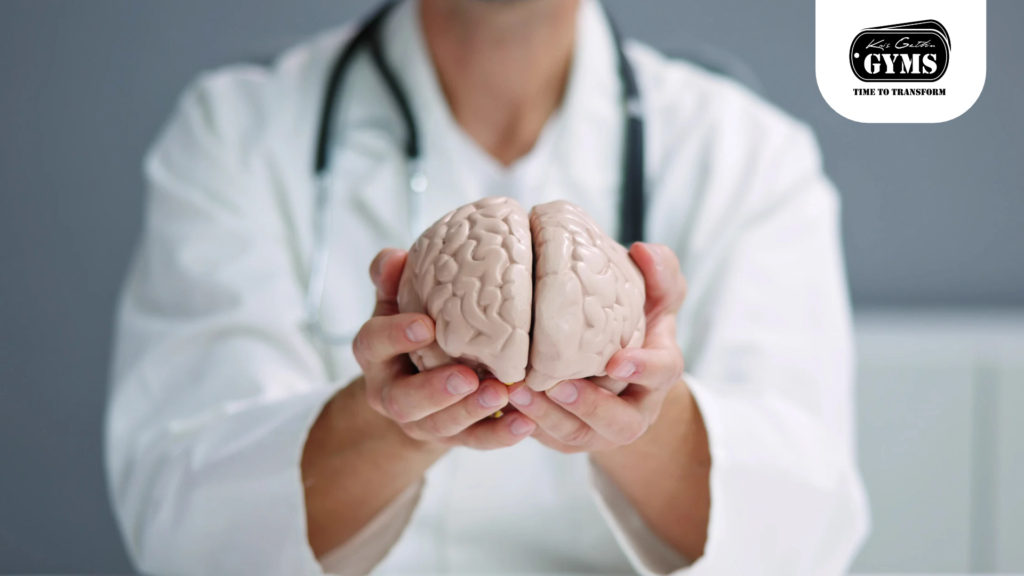
Your brain takes roughly a quarter of your body’s blood supply, and it is surprisingly fussy about what that blood carries.
That is the starting point for Dr Aaron Lord, chief of neurology at NYU Langone Hospital, Brooklyn.
He treats patients with severe brain injuries from stroke, brain bleeds, trauma, and seizures, and he is direct about one thing: a nutrient-rich diet protects the heart, the blood vessels, and the brain together.
The five food groups below are the ones he reaches for regularly himself, which makes them a more useful guide than any supplement aisle.
Wild Fish
Fatty fish carry omega-3 fatty acids, healthy fats with anti-inflammatory properties that support the brain. Salmon, grouper, and halibut all make Dr Lord’s list.
His advice is to buy fish as fresh and as wild-caught as you realistically can. In his words, farm-raised fish often feed on things you would not want to eat, which is one reason he leans toward wild.
For readers in India, the principle holds with local options too: pick the freshest fatty fish available to you, and cook it simply.
Leafy Greens
Skip the expensive supplements and eat your greens instead. Leafy vegetables supply fibre, folate, lutein, and beta-carotene. Bok choy, asparagus, and broccolini are among Dr Lord’s favourites.
How you cook them matters. He recommends steaming, blanching, or sautéing, then tossing them with olive oil, a little salt, and roasted garlic, adding the salt at the end of cooking.
Asparagus does not look leafy, but he values it because it cooks quickly and carries plenty of fibre.
That fibre feeds the gut microbiome, and a happy gut, he points out, positively influences brain function. Spinach, methi, and sarson are easy Indian equivalents prepared the same way.
Tomatoes
Tomatoes are a rich source of lycopene, an antioxidant related to beta-carotene. Antioxidants help counter inflammation and oxidative stress, which in turn helps guard against neurodegeneration.
Dr Lord likes the larger grape tomatoes or a mandarin-sized tomato medley, because they are versatile.
Cut them into salads, stew them into a quick sauce for fish or chicken, or serve them with mozzarella, basil, and olive oil as a starter. In an Indian kitchen, a simple tomato-based sabzi or chutney does the same job.
Walnuts And Berries
Swap the afternoon fried snack for a handful of walnuts and berries. Nuts are good in general, but walnuts have the highest ratio of omega-3 fats to omega-6 fats, which is why they rank among the best foods for the brain.
Blueberries are in his morning routine. They are rich in flavonoids, potent antioxidant and anti-inflammatory molecules that can help reduce the effects of stress on the brain.
His preferred way to combine the two is breakfast : overnight steel-cut oats (not rolled) with fresh berries and walnuts, a drizzle of honey or maple syrup if you like, and a pinch of salt to lift the flavour of the oats.
Coffee And Tea
Dr Lord drinks tea almost daily, and the reasoning is sound. Tea is dried whole plants and coffee beans are dried, roasted berries, so both are good sources of phytonutrients that can benefit brain metabolism. Both are rich in flavonoids, which can contribute to improved glycemic control.
Caffeine adds its own benefits, improving concentration and reducing the risk of dementia. The caveat is moderation. This is a plain cup of coffee or tea, not a sugary, milk-heavy drink, and not five cups before lunch.
Putting It Together On A Normal Day
None of this requires an overhaul. A realistic day might look like this :
| Meal | Brain-Friendly Choice |
|---|
| Morning | Overnight oats with berries and walnuts, plus a cup of tea or coffee |
| Lunch | Sautéed greens with olive oil and garlic, alongside dal or fish |
| Afternoon | A handful of walnuts instead of a fried snack |
| Dinner | Fish or chicken with a tomato-based sauce, and steamed vegetables |
A Coach’s Take On The Brain And The Gym
At KRIS GETHIN GYMS, we treat brain health as part of performance, not a separate topic. Focus, mood, sleep, and decision-making all show up in training quality, and they all respond to what is on the plate.
The foods above overlap heavily with what we already encourage for recovery: omega-3 fats, colourful plants, fibre, and antioxidants. A client who eats this way is feeding the muscle and the mind at once.
Start small. Add one item from this list to the week, make it a habit, then add the next.