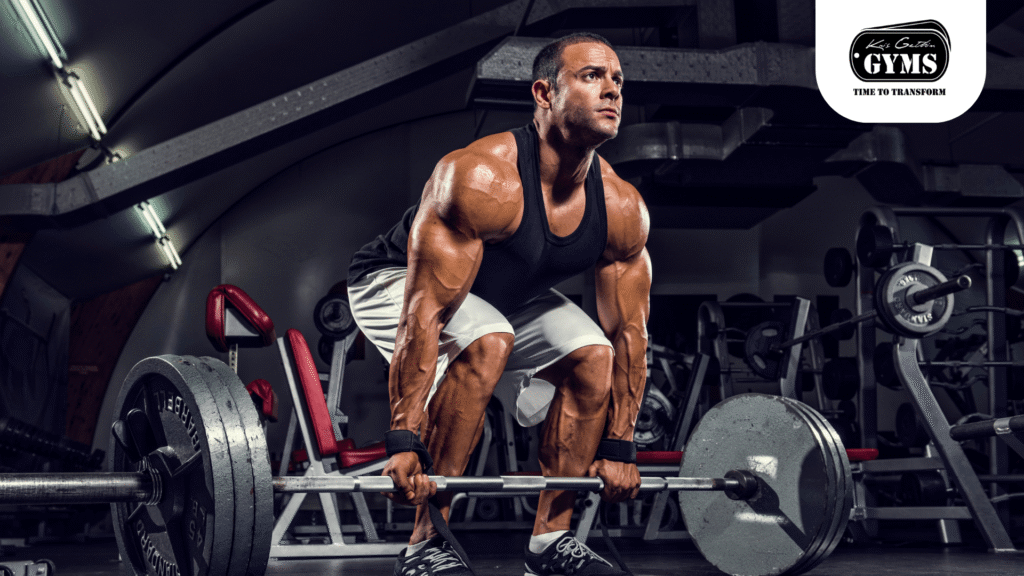
Seventeen years into coaching, and the biggest shift in how our team programs lower-body training isn’t a new exercise. It’s a changed relationship with the barbell squat and deadlift.
Early on, both movements went into nearly every program by default. Non-negotiable, foundational, the assumption being that real strength required a loaded bar on the back or in the hands.
What years on the floor actually taught us is different. Squats and deadlifts remain excellent tools, and they’re not required to build strength, add muscle, or drop body fat, particularly for clients over 40 managing joints that don’t recover the way they did at 25.
That doesn’t mean the barbell disappears entirely. Some clients respond well to it, and some goals genuinely require training in the classic lifts. But more often than not, better options exist, options that build the same strength without the same wear.
What Actually Makes An Exercise The Right Fit
Before getting into specific alternatives, it’s worth being precise about what “right fit” actually means, because it’s not about avoiding difficulty.
The first requirement is straightforward: the movement should be pain-free under load. “No pain, no gain” doesn’t build more muscle or strength, it builds injuries and months of missed training, the opposite of progress. The second requirement matters just as much, you should genuinely feel the target muscles working. If a squat variation is supposed to hit the quads, hamstrings, and glutes, and instead the sensation shows up mostly in the lower back despite solid technique, that’s a signal the movement isn’t the right fit for that particular body, not a signal to push through it.
A good exercise fit stays pain-free under real load, lets you feel the correct muscles doing the work, and builds genuine strength without accumulating joint wear that catches up months later. None of this means avoiding the squat pattern or the hip hinge pattern entirely. Both remain essential movement patterns worth maintaining for life, pain-free movement and long-term mobility depend on them. It just means the barbell isn’t the only tool capable of training them.
Alternatives To The Barbell Back Squat
Low Box Step-Ups. Deceptively simple, but genuinely effective. A low box allows real loading while keeping the range of motion within what tight hips can comfortably handle, protecting the lower back from the compensation that often shows up when hip mobility is limited.
Dumbbell Box Squat. This variation works the legs while gradually improving hip mobility over time, using the box as a depth guide. For clients with particularly stiff hips, turning the toes out slightly often opens up a more comfortable range immediately.
Heel Elevated Goblet Squats. Once the dumbbell box squat feels genuinely solid and some load has been added, this progression deepens the challenge while still respecting joint-friendly mechanics.
Wall Hack Squats. Particularly useful for home training setups, this variation places significant demand on the quads while sparing the lower back from the shear stress a loaded barbell squat can introduce.
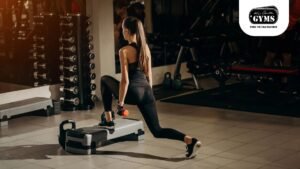
Front-Foot Elevated Split Squats. The natural starting point for anyone learning split squat patterns. Elevating the front foot unloads that leg somewhat, making the movement pattern easier to learn before adding real intensity.
Rear-Foot Elevated Split Squats. Once the front-foot elevated version feels controlled, this considerably more demanding variation, often disliked by clients precisely because it works, builds serious single-leg strength and stability.
Sled Pushing Or Pulling. One of the most joint-friendly ways to build genuine lower-body strength that exists, and consistently our preferred tool for clients over 40 specifically. Whether pushed or pulled, the sled removes the eccentric loading stress that often bothers aging joints while still demanding real effort.
Alternatives To The Barbell Deadlift
Box Split RDLs (Kickstand RDLs). Even for clients whose traditional RDLs feel completely fine, this staggered-stance variation builds genuine hip mobility, single-leg stability, and meaningful glute activation that a bilateral stance sometimes glosses over.
Supported Single-Leg Deadlifts. Single-leg deadlift variations are excellent for the hamstrings and glutes, but balance, not strength, is usually the actual limiting factor for most people attempting them unassisted. Using light support shifts the focus back to genuine loading and movement quality rather than wobbling through the set.
Tall Kneeling Good Mornings. A standard barbell good morning can feel rough on the lower back for many clients. Training this pattern from a tall kneeling position trains the same lower back and hamstring musculature with considerably less shear stress on the spine.
Hamstring Curls. Whether performed on a machine, a Swiss ball, TRX straps, or sliders, hamstring curls are genuinely easy on the knees while still delivering functional hamstring development. This is precisely where machines earn their place in a well-rounded program, isolated, controlled, joint-friendly loading.
Kettlebell Swings. Done correctly, swings are a genuinely excellent hip-hinge builder. Done poorly, they can aggravate the lower back, but that’s true of nearly any loaded movement performed with sloppy mechanics, not a specific flaw of the swing itself. The key detail is the kettlebell’s path, it should swing back and up under the glutes, not drift down toward the floor between the legs, since that drift is what shifts stress onto the lower back. Varying stance beyond a standard bilateral position, incorporating staggered or single-leg variations over time, also unlocks additional mobility and athleticism that a purely square stance doesn’t develop.
Why This Approach Builds Longevity, Not Just Strength
Training should build a person up, not slowly break them down over years of accumulated joint stress. Heavy barbell squats and deadlifts remain genuinely powerful tools within a well-designed program, but they were never the only path to real strength.
This is exactly the philosophy behind how programming gets built at KRIS GETHIN GYMS for clients managing joint sensitivity, mobility limitations, or simply the realities of training past 40.
The goal isn’t avoiding difficulty. It’s choosing the version of a movement pattern that actually fits the body in front of us, one that builds strength consistently across years rather than producing short bursts of progress interrupted by injury and recovery.
Mastering the right variation of a squat or hinge pattern, tailored to what a specific body can actually handle well, matters far more for long-term results than forcing a barbell variation simply because it’s the traditional default.