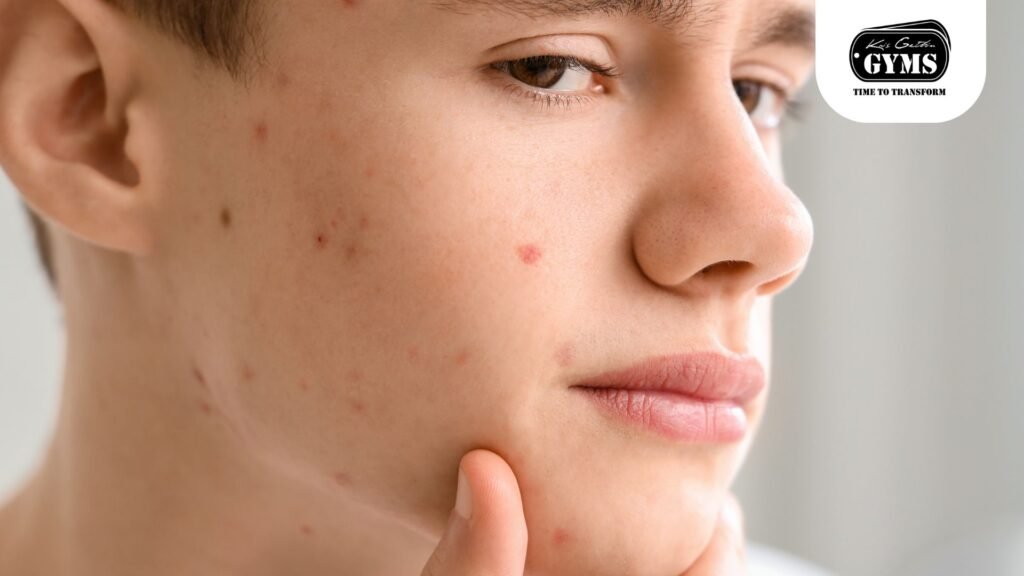
A breakout that shows up in the same spot every single month, deep, painful, with no visible whitehead no matter how long it sits there, isn’t ordinary acne. It’s usually hormonal.
That distinction matters more than most people realize, because the skincare routine built for typical teenage breakouts rarely touches hormonal cystic acne at all.
Understanding why this specific kind of acne happens, and what actually treats it, changes the entire approach from guessing to genuinely managing it.
What Hormonal Cystic Acne Actually Is
Hormonal cystic acne develops from hormone imbalances or fluctuations, and it behaves nothing like a standard pimple.
These breakouts sit deep beneath the skin, painful to the touch, feeling more like a hard lump or knot than a typical blemish, and they typically never develop the visible whitehead that makes regular acne at least somewhat predictable to treat.
This type of acne concentrates specifically along the jawline, chin, and lower face, and it shows up consistently in certain life stages and circumstances, pregnancy, the menstrual cycle, and periods of genuine, sustained stress all tend to trigger it directly.
Why This Specific Kind Of Acne Happens
Hormonal imbalance sits at the center of nearly every case. Elevated androgen levels push oil glands into overdrive, and that excess oil production clogs pores in a way regular skincare struggles to keep up with.
The menstrual cycle brings predictable hormonal fluctuations, particularly in the days leading up to menstruation, and those fluctuations are a well-documented trigger for exactly this kind of breakout pattern.
Diet plays a real role for some individuals specifically, foods high in sugar, grease, or dairy have been linked to acne flare-ups, though the effect genuinely varies from person to person rather than applying universally.
Polycystic Ovary Syndrome (PCOS) is one of the more significant underlying causes of hormonal acne in women specifically. Anyone managing PCOS faces a meaningfully elevated likelihood of developing this particular acne pattern as a direct result of the condition’s hormonal profile.
Stress drives cortisol production up, and elevated cortisol doesn’t stay isolated, it disrupts the broader hormonal balance throughout the body, frequently triggering breakouts as a direct downstream effect.
Treating Hormonal Acne Naturally
There’s no strict, mandatory diet required to address hormonal acne, but several natural approaches genuinely help manage it at home.
Spearmint tea, one to two cups daily, has been shown to help lower androgen levels, directly addressing one of the root hormonal drivers rather than just treating the surface symptom.
Zinc supplements support reduced inflammation and can genuinely speed up skin healing, making them a reasonable addition for anyone managing recurring breakouts.
Apple cider vinegar, diluted one part ACV to three parts water and used as a toner, is another accessible home option, though anyone with sensitive skin should approach this cautiously or skip it entirely given ACV’s acidity.
Tea tree oil brings genuine natural antibacterial and anti-inflammatory properties, applied directly to individual breakouts. It tends to work particularly well for milder cases rather than deep, severe cystic acne.
Treating Hormonal Cystic Acne Medically
When natural approaches don’t provide enough relief, several medical treatment paths exist, each addressing the hormonal root cause more directly.
Birth control pills help regulate hormone levels throughout the body, and many women see a genuine reduction in breakout frequency once starting them.
Spironolactone, taken under proper medical supervision, works by reducing androgen levels directly and is commonly prescribed specifically for hormonal acne cases that haven’t responded well to other approaches.
Topical retinoids applied directly to breakouts help lower inflammation and clear pores from the outside, working alongside any internal hormonal treatment rather than replacing it.
Antibiotics help address bacterial involvement in acne, though they’re genuinely not considered a long-term solution for hormonal acne specifically, since they don’t address the underlying hormonal trigger driving the breakouts in the first place.
Before starting any medication, consulting a dermatologist matters considerably, both to confirm the diagnosis is genuinely hormonal acne and to avoid any unwanted interactions or side effects from starting treatment without proper guidance.
Why Stress Management And Overall Health Genuinely Matter Here
Given how directly cortisol and broader hormonal balance connect to this specific type of acne, addressing the lifestyle factors that influence hormone regulation matters alongside any topical or medical treatment.
Consistent physical activity supports healthier long-term hormonal regulation, and for anyone whose hormonal acne traces back partly to chronic stress, building genuine stress management into a daily routine, through regular training, adequate sleep, and consistent recovery, addresses one of the root drivers rather than only treating the visible breakout.
This is exactly the kind of whole-body thinking our coaches at KRIS GETHIN GYMS bring to client wellness conversations generally, skin health, like so much else in the body, rarely responds to a single isolated fix when the underlying driver is hormonal and stress-related.
The Real Takeaway
Hormonal cystic acne can genuinely affect confidence, and it’s a considerably more common experience than most people realize, showing up across pregnancy, the menstrual cycle, PCOS, and periods of significant stress.
Addressing it starts with understanding what’s actually driving it, then working through natural approaches, spearmint tea, zinc, tea tree oil, or medical options like spironolactone or topical retinoids, ideally guided by a dermatologist who can confirm the underlying cause and recommend the right path forward.