Everyday Indian Foods That Support Fat Loss and Muscle Recovery
Prajwal Shinde December 27, 2025 0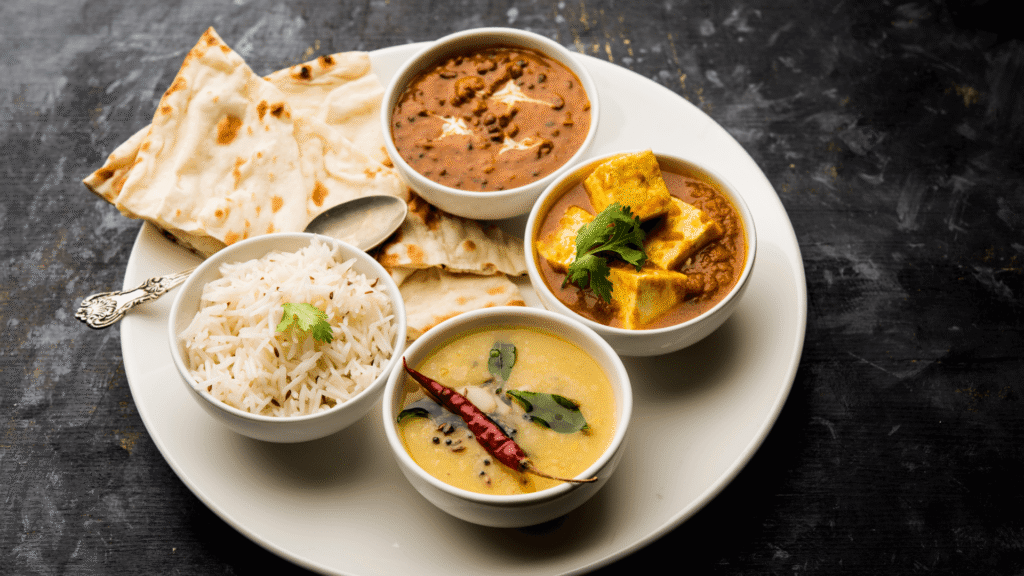
Let me clear one thing straight away.
If you think fat loss and muscle recovery need fancy foods, imported powders, or Instagram meals – you’ve already been misled.
Most of the people who struggle with results aren’t eating the wrong food.
They’re just eating the right food in the wrong way, or ignoring what Indian kitchens already get right.
I see this daily. Someone tells me, “I’ve stopped eating Indian food. I’m on salads now.”
And then they’re tired, sore, hungry all the time, and confused why workouts feel heavier instead of easier.
Indian food isn’t the problem. Poor structure is.
Table of Contents
ToggleWhy Everyday Food Matters More Than “Diet Food”
Fat loss and recovery don’t happen because food looks clean.
They happen because your body gets :
- enough protein to repair muscle
- enough carbs to train hard
- enough micronutrients to recover
- enough satisfaction so you don’t binge later
And guess what?
Dal, curd, rice, vegetables, eggs — they’ve been doing this job long before fitness trends existed.
The mistake people make is undereating protein, overeating oil, and calling it balance.
Dal Isn’t Weak Food : It’s Misunderstood Food
People love to say, “Dal doesn’t have enough protein.”
True – if dal is the only thing on your plate.
But dal combined with:
- rice or roti
- vegetables
- curd or paneer
becomes a recovery meal.
Moong dal, masoor dal, chana dal – all of them digest easily, reduce soreness, and don’t mess with your stomach the way ultra-processed protein foods do.
If your training feels heavy and your digestion feels slow, dal is often a better fix than adding another scoop of powder.
Curd is Criminally Underrated
Curd doesn’t get gym credit because it doesn’t look “fit”.
But from a recovery point of view? Gold.
Curd helps with :
- gut health
- calcium intake
- muscle relaxation
- reducing inflammation
Post-workout soreness isn’t always muscle damage. Sometimes it’s poor digestion and dehydration.
A simple bowl of curd with salt and jeera after training often does more than people expect.
Rice Doesn’t Make You Fat (Overeating Does)
Rice is blamed for everything.
But here’s the truth I see in real life : People who eat controlled portions of rice train better than people who avoid it completely.
Rice:
- fuels workouts
- helps recovery
- supports nervous system fatigue
If you lift weights or do intense workouts and remove rice completely, your body doesn’t magically burn more fat – it just feels tired.
The key is timing and quantity, not fear.
Eggs Are Still One Of The Most Practical Recovery Foods
No drama here.
Eggs are cheap. Eggs are complete protein. Eggs digest well.
Two to four eggs a day for most active people works beautifully – especially if you struggle to hit protein targets with vegetarian food alone.
The yolk isn’t your enemy. Your inconsistency is.
Paneer : Useful, But Don’t Overdo It
Paneer is great for muscle repair, but people abuse it.
Eating 200-300 grams daily while sitting all day and training lightly? That’s not fat loss food – that’s calorie creep.
Paneer works best :
- in moderate portions
- paired with vegetables
- not drowned in oil
Used correctly, it supports recovery. Used blindly, it stalls fat loss.
Vegetables Aren’t Just For Fibre – They Help Recovery Too
People treat vegetables like decoration.
But spinach, lauki, tori, beans, bhindi – they help with :
- mineral balance
- inflammation control
- digestion speed
When recovery feels slow and joints feel stiff, vegetables are often missing.
More protein won’t fix that. Better digestion will.
Fruits Aren’t Cheating
Another big myth.
Fruit doesn’t stop fat loss. Excess calories do.
Bananas post-workout help glycogen recovery. Papaya helps digestion. Oranges support hydration.
Avoiding fruit while training hard is like driving with low fuel and blaming the engine.
The Real Problem : Eating Without Intention
Most people eat Indian food on autopilot.
Same sabzi. Same oil. Same quantity. No awareness.
Fat loss and recovery need awareness, not restriction.
You don’t need to change what you eat drastically. You need to change how much, when, and why.
What Real Recovery-friendly Indian Plate Looks Like
Not fancy. Just sensible.
- A protein source (dal, eggs, curd, paneer)
- A carb source (rice or roti)
- Vegetables
- Enough salt and water
That’s it.
No detox. No cutting everything. No suffering.
Consistency beats creativity.
Final Thoughts (No Motivation Talk)
Fat loss and recovery don’t come from dramatic diet changes. They come from boring, repeatable habits.
Indian food already gives you the tools. You just need to use them with intention.
If you train hard and eat honestly, your body responds.
No superfoods needed. Just real food, done right.
People Also Ask
Yes. Most people who fail simply overeat oil and under-eat protein.
No. Poor portion control is bad for fat loss.
Not always. It depends on your total protein intake and training intensity.
Yes, if planned properly. Random vegetarian eating is the issue.
No. Just stop letting them pour themselves.
Often due to poor sleep, dehydration, or digestion – not lack of protein.
Yes. Especially around workouts.