Watch someone load a preacher curl machine with a weight they can barely control, and you already know how the set ends. Elbows lifting off the pad. A jerk at the bottom. A rep that looks nothing like the one before it.
That’s the machine being misused, not the machine failing the lifter.
At KRIS GETHIN GYMS, our coaches treat the preacher curl as one of the more technically demanding isolation movements in the arm-training arsenal, not because the mechanics are complicated, but because the margin for error is thin. Get the setup and tempo right, and it becomes one of the most effective tools for building real biceps size and definition. Get it wrong, and it becomes one of the fastest ways to irritate an elbow tendon that takes months to fully calm down.
What A Preacher Curl Machine Actually Does Differently
Standing curls let the body cheat in small, often invisible ways. A slight lean back. A shoulder that creeps forward. A hip that nudges the weight up when fatigue sets in.
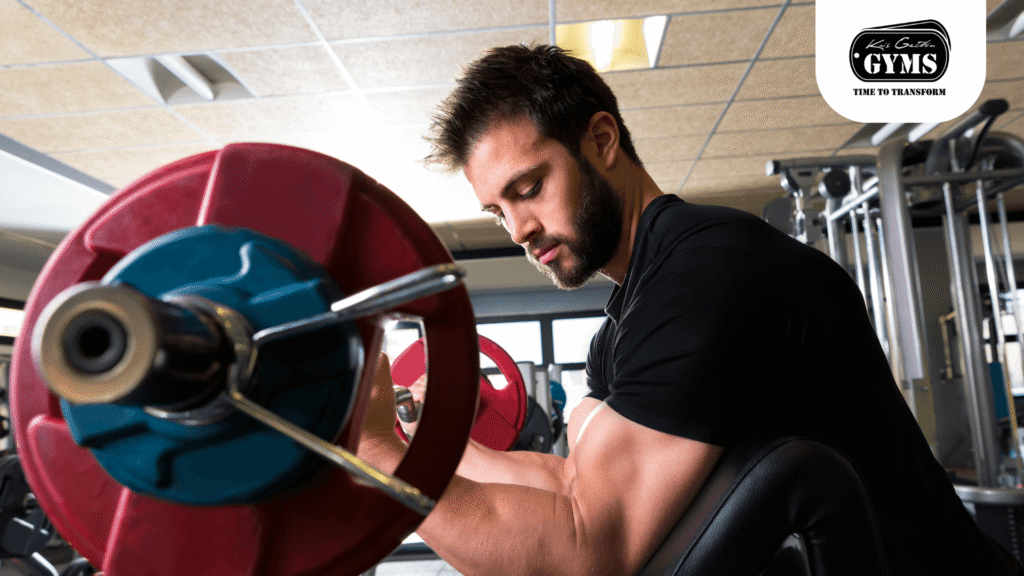
A preacher curl machine removes all of that by fixing the upper arms against an angled pad, forcing the biceps to do nearly all of the work through a controlled range of motion. That fixed position also places the biceps in a stretched starting point at the bottom of each rep, which increases tension right where lifters typically lose it on standing curls. The tradeoff is real, though. You’ll lift considerably less weight here than you would standing, and that’s expected, not a sign you’re weak.
The Muscles Actually Doing The Work
The biceps brachii carries most of the load, and both heads get involved differently than they would in a standing curl. The short head, sitting on the inner arm, gets particular emphasis from the fixed angle, contributing directly to arm thickness. The long head still works through the mid-range of the movement, just with slightly less dominance than it would show standing.
Beneath the biceps sits the brachialis, a muscle that rarely gets attention but does meaningful work here, especially under a controlled tempo. Developing the brachialis pushes the biceps outward, which is part of why arms trained consistently on preacher curls tend to look fuller from the side, not just bigger from the front. The brachioradialis in the forearm assists as well, particularly with a neutral or slightly wider grip, though it stays a secondary player throughout.
One thing worth understanding upfront: the shoulder barely participates here, and that’s precisely the point. Removing shoulder involvement is what makes this exercise so effective for isolated growth, and it’s also what makes overloading the machine so risky. There’s no shoulder or hip to quietly absorb excess weight when the biceps run out of capacity.
Types Of Preacher Curl Machines, And Which One Actually Suits You
Not every preacher curl setup functions the same way, and picking the wrong variation for your training style can quietly limit progress.
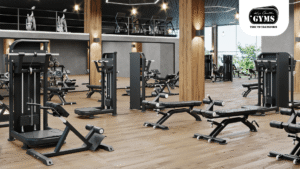
Plate-loaded machines run on Olympic or standard weight plates and feel closest to true free-weight resistance while still keeping the arms locked in place. These suit advanced lifters chasing precise load progression, since you can add increments as small as you want rather than jumping between fixed weight stack pins.
Selectorized machines use a pin-and-stack system, and they’re the right call for beginners or high-traffic commercial gyms. Quick weight changes and consistent resistance make them efficient in settings where multiple people are cycling through the same station.
Cable-based preacher curls maintain tension through pulleys, which means the biceps stay under load even at the very top and bottom of the movement, points where plate-loaded and selectorized machines tend to lose tension briefly. This constant-tension quality makes cable versions particularly effective during dedicated hypertrophy phases.
Preacher benches with free weights, using a barbell, EZ bar, or dumbbells, aren’t technically machines at all, but they remain common enough to mention. They demand more control since the resistance isn’t guided, but they offer freedom in grip and range that a fixed machine can’t match. These suit experienced lifters or home gyms where space for a full machine isn’t available.
One more distinction worth knowing before buying or choosing a station: adjustable versus fixed machines. Adjustable seat height and arm pad angle let the machine accommodate different arm lengths and torso sizes properly, which matters more than it sounds, a poor fit here shifts tension straight into the shoulder or elbow instead of the biceps. Fixed machines are simpler and often hold up longer under heavy commercial use, but they force a one-size-fits-all position that doesn’t actually fit everyone equally well.
Getting The Setup Right Before The First Rep
Most preacher curl injuries trace back to setup mistakes made before the first rep even starts, not to the weight itself.
Adjust the seat so your upper arms rest flat against the pad, with your armpits sitting just above its top edge. This allows a full stretch at the bottom without locking the elbows into a vulnerable position. Sit upright, chest against the pad, feet planted firmly, shoulders relaxed rather than hiked up toward your ears.
Grip the handles or bar with an underhand hold, wrists straight, no backward bend. From there, the execution matters as much as the setup. Curl upward with a controlled tempo, focusing on the squeeze rather than simply moving the weight. Pause briefly near the top when your forearms are close to vertical, then lower slowly, stopping just short of a full elbow lock at the bottom.
Before any working set, spend one to two light warm-up sets on the machine itself, slow tempo, no locking, no jerking. This brings blood flow into the biceps and elbow before the tendon takes on real load, and skipping it is one of the quieter reasons lifters feel unexpected elbow tightness mid-session.
The Mistakes That Actually Cause Injuries
Here’s something worth clearing up directly, because it gets misunderstood constantly in gym conversations: preacher curls don’t inherently tear biceps. Poor execution does.
Locking the elbows aggressively at the bottom places enormous strain directly on the distal biceps tendon, and doing this repeatedly under load is where tendon irritation typically originates. Overstretching by letting the arms drop too far down the pad creates excessive tension at the worst possible moment in the rep. And jerking the weight from the bottom, a common cheat when the load exceeds what the biceps can actually handle strictly, transfers stress straight to connective tissue instead of muscle.
If you cannot lower the weight under control, the load is too heavy. That single rule prevents most of the injuries associated with this exercise.
Why The Weight Feels Lighter Than It Should
New lifters consistently get frustrated the first time they sit down at a preacher curl station, because the weight that felt manageable on a standing curl suddenly feels impossible here.
That’s not weakness. It’s mechanics. Standing curls allow a slight lean-back and shoulder assistance that quietly does more work than most lifters realize. Remove that assistance entirely, fix the elbows in place, and add a deeper stretch at the bottom, and the same muscle group suddenly faces a much harder mechanical challenge at a lower absolute weight.
As a rough guide, beginners should start around 30 to 40% of their standing barbell curl weight, intermediate lifters can typically work in the 40 to 60% range, and even advanced lifters rarely need to exceed 50 to 65% of their standing curl capacity to get meaningful results here. Progress on this movement comes from tighter contraction and slower negatives, not from chasing a heavier plate every week. When you do add weight, keep the jump small, even 2.5 kg is a meaningful increase on this exercise, and only add it once every rep in the current set looks identical with zero elbow or shoulder discomfort.
Programming Preacher Curls By Experience Level
Beginners should treat this machine as a mechanics lesson first, weight second. Two to three sets of 12 to 15 reps, light to moderate resistance, full focus on slow lifting and controlled lowering with the elbows staying firmly planted on the pad.
Intermediate lifters can shift toward using preacher curls as a primary isolation movement after compound pulling work, emphasizing time under tension with three to four sets of 8 to 12 reps and a controlled two to three second eccentric on each rep.
Advanced lifters get the most value treating this as a finishing movement rather than a strength builder, two to three high-intensity sets of 10 to 15 reps after heavy compound lifting, using techniques like drop sets or slow negatives to fully exhaust the biceps once raw strength work is already done.
Across every level, rest 60 to 90 seconds between sets, long enough for the biceps tendon to recover without letting fatigue turn your next set into a cheat rep. And one rule holds steady regardless of experience : one to two sessions per week is enough. The stretched arm position places real stress on the biceps tendon, and training this movement more frequently rarely accelerates growth, it mostly accelerates fatigue accumulation in a joint that recovers slower than the muscle around it.
Where This Machine Fits Against Other Biceps Training
Standing barbell and dumbbell curls remain superior for building raw arm strength and training the stabilizing muscles that carry over into broader athletic performance. They allow heavier loading and natural movement patterns that a fixed machine simply can’t replicate.
Preacher curl machines aren’t a replacement for that work. They’re a complement to it, most valuable specifically when the goal is strict isolation, correcting a habit of cheating on curls, or finishing an arm session with focused fatigue after the heavier compound lifts are already done.
The strongest arm-training programs we build at KRIS GETHIN GYMS use both intentionally, free weights for strength and coordination, preacher curls for shape and controlled tension, rather than treating one as a universal upgrade over the other.
What To Look For When Choosing A Preacher Curl Machine
If you’re buying one, whether for a home setup or evaluating what a gym has on its floor, a few details separate a machine worth using from one that quietly works against you.
Pad quality matters more than most people expect. A pad that’s too soft compresses under load and shifts stability mid-rep, while an overly hard pad creates elbow discomfort during longer sets. High-density foam with durable upholstery tends to hold up best over repeated use.
Overall stability deserves a close look too. A solid base, wide frame footprint, and strong welds prevent any rocking or shifting once real weight goes on the machine, and any movement in the frame during a set compromises both safety and how well the biceps actually engage.
For home gyms, compact size and moderate load capacity are usually enough, since the machine won’t see the same repeated daily stress a commercial floor does. Commercial facilities, on the other hand, should prioritize durability, higher weight tolerance, and easy adjustability, since the machine needs to comfortably fit dozens of different body types across a single day without breaking down.