If you’ve ever tried buying a treadmill, you already know how confusing it gets. You open one tab, then another, then ten more.
Every model claims to be “best for home use,” every spec sounds important, and somehow the price jumps from ₹20,000 to ₹2,00,000 without a clear reason why.
I’ve seen people overpay, underbuy, and sometimes completely avoid the decision because it feels too technical. The truth is, buying a treadmill isn’t complicated – you just need to look at the right things and ignore the noise.
Let’s break it down the way you’d actually think before spending your money.
Why Most People Still Choose a Treadmill
There’s a reason treadmills haven’t gone out of trend.
You don’t need to learn anything. No complicated setup, no form corrections. You just walk or run – something your body already knows how to do.
For home use, it removes excuses :
- Rain? Doesn’t matter
- Busy schedule? You can still squeeze in 20 minutes
- Don’t feel like going out? You don’t have to
For gyms, it’s even more obvious. No matter how fancy the setup is, members expect treadmills. And they use them daily.
First Decision : What Type Do You Actually Need?
This is where most people go wrong. They either overspend or buy something too basic.
Here’s a simple way to look at it :
Manual Treadmills
These don’t have a motor. You move the belt yourself. They’re cheap and low maintenance, but honestly, they’re not comfortable for long use.
Best if :
- You only plan to walk occasionally
- Budget is very tight
- You need something basic
Motorized Treadmills
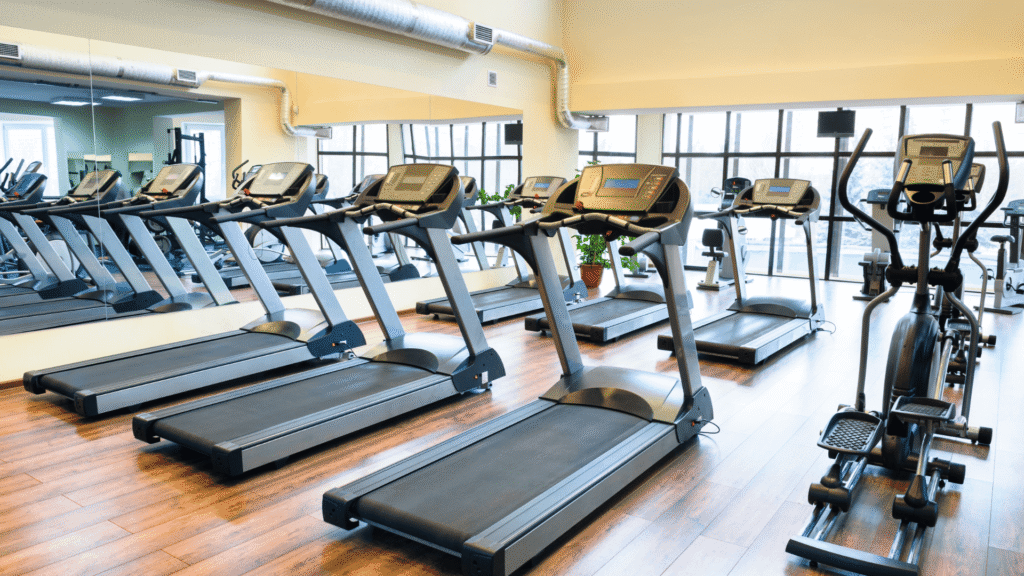
This is what most people should buy. Smooth, controlled, and suitable for walking, jogging, and running.
Best if :
- You want consistency
- More than one person will use it
- You’re serious about fitness
Folding Treadmills
Same as motorized, just easier to store.
Best if :
- You live in an apartment
- Space is limited
Commercial Treadmills
Heavy-duty machines built for gyms.
Best if :
- You’re setting up a gym
- Machine will be used for hours daily
What Actually Matters in Treadmills
A lot of features sound impressive but don’t really impact your experience. Focus on what you’ll actually feel when using the treadmill.
Motor (This is Non-Negotiable)
The motor decides how smooth your workout feels.
- 1.5–2.0 CHP → Only for walking
- 2.0–3.0 CHP → Good for jogging
- 3.0+ CHP → Needed for running
If the motor is weak, you’ll feel jerks, heating, and inconsistency.
Running Area (Comfort Factor)
Too small, and your stride feels restricted.
- Walking → Minimum size works
- Running → Go for wider & longer belt
You’ll notice this difference within the first week.
Incline (Underrated Feature)
Incline can completely change your workout.
- Burns more calories
- Less impact on joints
- Adds variety
Even if you don’t run, incline is worth having.
Cushioning (Your Knees Will Thank You)
If you’re using the treadmill regularly, cushioning matters more than you think.
- Reduces joint stress
- Makes longer sessions easier
- Important for runners
Weight Capacity (Don’t Ignore This)
Always choose a treadmill that supports more than your body weight.
- Better stability
- Longer machine life
- Less strain on motor
Treadmill Price in India : What You Really Get
Instead of looking at random prices, understand what each range offers.
₹15,000 – ₹30,000
- Basic machines
- Suitable for walking only
- Limited durability
₹30,000 – ₹70,000
- Best value for most people
- Good motors
- Incline + decent features
₹70,000 – ₹1,50,000
- Strong build quality
- Better cushioning
- Ideal for regular runners
₹1,50,000+
- Commercial-grade
- Built for heavy usage
- Long-term investment
Where You Buy From Actually Matters
This is something people realise only after something goes wrong.
A treadmill isn’t just a product – it’s a machine that needs :
- Installation
- Servicing
- Spare parts
Buying from random sellers might save money upfront, but can cost more later.
That’s why sticking to known brands like Jerai Fitness makes sense. You’re not just buying a treadmill – you’re buying support, service, and reliability.
Before you buy, quickly check :
- Is the seller authorized?
- Is installation included?
- What does the warranty actually cover?
- Is service available in your city?
Things Most People Don’t Think About (But Should)
These are small details, but they make a big difference in daily use.
- Space : A treadmill takes more room than expected
- Noise : Important if you live in an apartment
- Usage : One user vs multiple users changes everything
- Routine : Walking vs running decides the machine type
Keeping Your Treadmill Running Smoothly
A good machine can still perform badly if not maintained.
Basic habits that help :
- Lubricate the belt every few months
- Wipe sweat after use
- Keep the belt aligned
- Don’t overload the machine
Nothing complicated, but easy to ignore.
Final Thoughts
If you’re still confused, just answer this :
- Will you walk, jog, or run?
- How often will you use it?
- How much space do you have?
- What’s your real budget?
That’s it.
Don’t chase features you won’t use. Don’t go too cheap if you plan to use it seriously.
A good treadmill is one you’ll actually use consistently. Not the one with the most features.
And once you get that part right, everything else falls into place.