Vegan Nutrition : The Best Plant-Based Foods For Gym Performance
Utpal Sinha February 13, 2026 0
There was a time when “vegan” and “muscle” were never mentioned in the same sentence.
If you trained seriously, people assumed you needed chicken, eggs, and whey to grow.
That narrative is outdated.
Today, more athletes – from endurance runners to strength lifters – are building muscle, increasing power, and recovering well on fully plant-based diets.
But here’s the key: it works only when it’s planned properly.
A vegan diet for gym performance isn’t about eating more salads.
It’s about understanding protein quality, calorie density, recovery, and micronutrients – and building meals that actually support training.
Let’s break it down practically.
Table of Contents
ToggleFirst : Can You Build Muscle on a Vegan Diet?
Yes.
But you need to be intentional.
For muscle growth, most lifters need roughly 1.6-2.2 grams of protein per kg of body weight daily. That’s achievable on plants – but not by accident.
Plant proteins are often lower in certain essential amino acids compared to animal proteins. That doesn’t mean they’re ineffective. It means you need variety.
The goal is simple :
- Eat enough total protein.
- Combine different plant sources.
- Ensure you’re in a slight calorie surplus if you want to gain muscle.
Now let’s talk about the foods that make this easier.
1. Legumes – The Foundation of Plant Protein
Lentils, chickpeas, kidney beans, black beans – these are performance foods.
They deliver :
- Protein
- Complex carbohydrates
- Iron
- Fiber
After a heavy training session, your body needs glycogen restoration and amino acids.
A lentil-based meal does both.
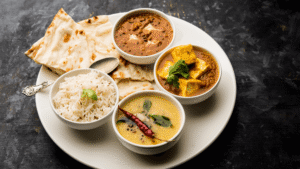
Practical idea : Post-workout lentil stew with rice or whole-grain roti.
Simple. Effective. Budget-friendly.
2. Tofu & Tempeh – Reliable Muscle Builders
Soy-based foods are powerful tools in a vegan athlete’s diet.
Tofu and tempeh provide complete protein – meaning all essential amino acids are present.
They’re also :
- Easy to digest
- Versatile
- High in calcium (especially fortified versions)
Tofu works well in stir-fries or scrambles.
Tempeh has a firmer texture and higher protein density.
If someone says plant protein can’t support hypertrophy, they haven’t structured their intake properly.
3. Quinoa – Not Just Another Carb
Most grains are incomplete proteins.
Quinoa is different.
It’s a complete protein source and provides steady-digesting carbs. That makes it excellent for :
- Pre-workout meals
- Long training sessions
- Lean bulking phases
It won’t spike energy and crash you. It releases steadily.
4. Nuts & Seeds – Calorie Density Matters
One mistake many vegan lifters make?
They eat clean – but too low-calorie.
When you remove animal products, calorie density often drops.
That can stall muscle gain.
Nuts and seeds solve this problem.
Almonds, walnuts, chia seeds, hemp seeds, peanut butter – they provide :
- Healthy fats
- Magnesium
- Protein
- Extra calories without large volume
A spoon of peanut butter in your smoothie can make the difference between maintenance and growth.
For athletes struggling to hit calories, this category is essential.
5. Oats & Whole Grains – Training Fuel
Carbs are not the enemy in performance nutrition.
They are fuel.
Oats, brown rice, whole grain bread, and millets keep glycogen stores high.
That means better strength output and endurance.
An ideal vegan gym breakfast?
Oats + soy milk + peanut butter + fruit.
That combination gives you:
- Carbs
- Protein
- Fats
- Micronutrients
Balanced and performance-ready.
6. Leafy Greens – Recovery Support
Training causes oxidative stress. That’s normal.
Leafy greens like spinach, kale, and broccoli provide antioxidants, iron, and calcium.
Iron is especially important in plant-based diets. Since plant iron (non-heme iron) is less easily absorbed, pairing it with vitamin C-rich foods improves uptake.
Example : Spinach + lemon juice = better iron absorption.
Small details matter.
7. Vegan Protein Powder – Practical Support
Let’s be realistic.
Hitting high protein numbers through whole food alone can be tough when training intensely.
Vegan protein powders made from :
- Pea
- Brown rice
- Hemp
- Soy isolate
are convenient tools.
A blended protein (pea + rice, for example) improves amino acid profile.
Post-workout shake with plant milk is practical – not mandatory, but helpful.
What About Fat Intake?
Don’t go ultra-low fat.
Fats support :
- Hormone production
- Joint health
- Calorie intake
Avocado, olive oil, tahini, nuts – these should be included strategically.
Rough guideline : Around 0.8–1g of fat per kg body weight works well for many athletes.
Nutrients You Must Watch
A vegan performance diet requires awareness.
Pay attention to :
- Vitamin B12 (supplementation usually necessary)
- Vitamin D
- Iron
- Zinc
- Omega-3s (algae-based supplements can help)
This isn’t a flaw in vegan diets – it’s just planning.
Ignoring micronutrients is what causes issues, not the diet itself.
Common Challenges Vegan Lifters Face
1. Too Much Fiber
High fiber is healthy – but too much can cause bloating and fullness, making it hard to eat enough calories.
Solution : Use cooked vegetables more than raw.
Add calorie-dense foods like nut butter and oils.
2. Not Enough Protein Variety
Eating only lentils daily won’t optimize amino acid balance.
Rotate sources : Legumes + grains + soy + seeds.
3. Under-Eating
Many new vegans unintentionally eat fewer calories.
Track intake initially. Don’t guess.
Muscle requires energy.
Sample Day For Vegan Gym Athlete
Breakfast
Oats with soy milk, chia seeds, peanut butter, and banana
Lunch
Quinoa + tofu stir-fry + vegetables
Snack
Protein smoothie with pea-rice blend + almond butter
Dinner
Lentil curry + brown rice + sautéed spinach
Before Bed
Roasted chickpeas or a small protein shake
Balanced. Protein-rich. Calorie adequate.
Health Benefits Beyond Muscle
Well-structured vegan diets are associated with :
- Lower LDL cholesterol
- Reduced heart disease risk
- Improved body composition markers
- Higher antioxidant intake
But remember: junk food can also be vegan.
Quality still matters.
Final Thoughts
You don’t need animal products to build muscle.
You need:
- Enough protein
- Enough calories
- Smart food combinations
- Proper recovery
- Structured training
Plants are not a limitation.
Poor planning is.
If you approach vegan nutrition strategically, it can absolutely support strength, muscle gain, endurance, and overall performance.
And in many cases, athletes report improved digestion and recovery once they dial it in.
The real question isn’t “Can plants build muscle?”
It’s “Are you building your diet with intention?”
People Also Ask
Yes – as long as total calories and daily protein intake are sufficient. Muscle growth depends more on total protein and training stimulus than whether the protein comes from plants or animals.
Most trainees do well with about 1.6-2.2 g of protein per kg of body weight daily. The key is spreading protein across meals instead of eating it all at once.
Not mandatory – but practical. Whole foods can meet protein targets, yet shakes make it easier to hit numbers consistently, especially during busy schedules or higher training volumes.
Only if calories or carbs are too low. With adequate carbohydrates for glycogen and proper protein intake, strength performance remains unaffected.
Vitamin B12, iron, omega-3 fatty acids, vitamin D, calcium, and zinc need attention. Most issues come from poor planning, not the diet itself.
Some plant proteins digest slightly slower, but combining sources (like legumes with grains) provides a complete amino acid profile and comparable muscle support.
Carb-focused meals with moderate protein work best – for example oats with soy milk, banana, and peanut butter 60-90 minutes before training.
A mix of protein and carbs: tofu rice bowl, lentils with roti, or a plant protein shake with fruit to restore glycogen and support recovery.
Yes. High-fiber foods improve satiety, and with adequate protein intake, body fat can reduce while preserving lean muscle mass.