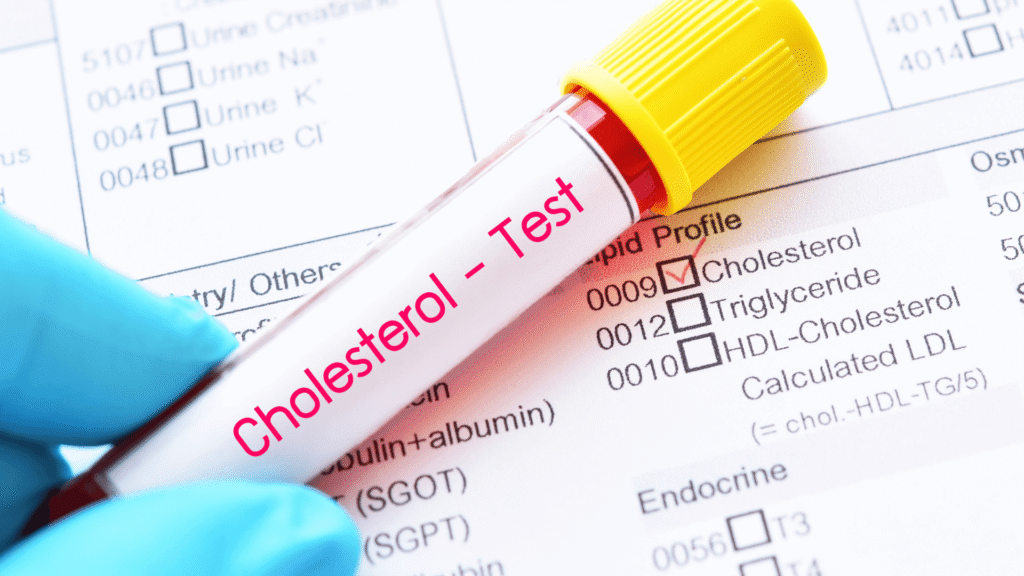
A few months ago, a friend showed me his blood report. Total cholesterol was high, LDL was creeping up, and the doctor had already started talking about long-term medication.
His first reaction? Cut oil. Stop eating out. Join a gym.
Two weeks later, everything slipped.
Not because he didn’t care – but because nothing in his routine had actually changed in a way he could sustain.
That’s when we started looking at things differently, through the lens of Ayurveda.
And honestly, the biggest shift wasn’t in what he ate. It was in how he understood the problem.
Cholesterol Isn’t the Problem. Imbalance Is.
One thing Ayurveda makes very clear – cholesterol, by itself, isn’t “bad.”
It becomes a problem when your internal systems stop handling it properly.
In many cases, that imbalance is linked to the Kapha Dosha.
When Kapha goes out of control, things start slowing down :
- Digestion feels heavy
- Energy drops
- Weight increases gradually
- And fat metabolism becomes inefficient
But here’s the part that really stood out to me.
This doesn’t happen suddenly.
It builds quietly – through habits we barely notice.
The Hidden Trigger : Sluggish Digestion
If you had to trace most cholesterol issues back to one root cause, Ayurveda would point to digestion.
Or more specifically, weak digestive fire.
When digestion isn’t working properly, the body starts producing Ama – a kind of internal buildup that comes from poorly processed food.
Now think about a typical day :
- Skipping breakfast or eating in a rush
- Heavy lunch, followed by long sitting hours
- Late dinners
- Constant snacking or processed food
Individually, none of this feels extreme.
But over time, it adds up.
And that’s when cholesterol starts becoming difficult to manage.
So What Actually Helps? Not a Shortcut – A System
What I appreciated about Ayurveda is that it doesn’t offer one single solution.
It works more like layers – each one supporting the other.
And when done right, it feels less like “treatment” and more like getting your body back on track.
1. When the Body Needs a Reset
In cases where imbalance has built up over years, surface-level changes don’t always work.
That’s where Panchakarma comes into the picture.
It’s not something you try casually. It’s structured, guided, and surprisingly detailed.
Therapies like :
- Virechana (cleansing focused on liver and digestion)
- Basti (internal balancing therapies)
- Abhyanga (oil massage that improves circulation)
The goal here isn’t aggressive detox – q1 it’s restoring how the body processes and eliminates.
2. Herbs That Work Quietly in the Background
Unlike quick fixes, Ayurvedic herbs don’t “force” change.
They support it.
Some commonly used ones include :
- Arjuna, often used for heart support (Terminalia arjuna)
- Guggul, known for lipid metabolism
- Triphala, which improves digestion over time
But here’s something important – these aren’t meant to be picked randomly from the internet.
They’re usually tailored.
Because what works for one person may not suit another.
3. Food Habits That Don’t Feel Like a Punishment
One of the biggest mistakes people make is going extreme with diet.
Ayurveda doesn’t work like that.
Instead of cutting everything, it adjusts patterns :
- Eating lighter dinners
- Reducing heavy, fried foods gradually
- Adding digestion-supporting spices like ginger and turmeric
It’s less about restriction, more about making food easier for your body to handle.
And that’s a big difference.
4. Movement That You Can Actually Stick To
My friend tried intense workouts before. It lasted ten days.
What worked eventually was much simpler :
- A 30-minute daily walk
- Basic stretching
- Occasional yoga
Even something like Surya Namaskar, done consistently, helped more than irregular gym sessions.
That’s the thing – consistency beats intensity here.
5. Stress – The Part Nobody Talks About Enough
You won’t see stress on a cholesterol report.
But it shows up in your body.
Irregular sleep, constant pressure, mental fatigue – it all disrupts internal balance.
Ayurveda doesn’t ignore this.
Practices like :
- Simple breathing exercises
- Meditation
- Therapies such as Shirodhara
are included for a reason.
Because unless the mind settles, the body doesn’t fully respond.
6. Small Changes That Quietly Make a Difference
What surprised me the most was how basic some recommendations were :
- Drinking warm water in the morning
- Avoiding late-night heavy meals
- Staying hydrated
At first, it felt too simple to matter.
But over time, these habits improved digestion – and that started reflecting everywhere else.
7. Routine – Probably the Most Underrated Factor
This is where most people struggle.
Irregular eating times. Late nights. Skipped meals.
Ayurveda calls for a steady daily rhythm – dinacharya.
Once my friend fixed just this:
- Eating at consistent times
- Sleeping earlier
- Keeping meals lighter at night
Things started stabilising. Not dramatically. But steadily.
Final Thought
If you’re expecting Ayurveda to “fix” cholesterol quickly, it might disappoint you.
But if you’re looking for something that actually addresses why it’s happening, it’s worth paying attention.
Because in the end, it’s not about fighting cholesterol.
It’s about fixing the patterns that led to it.
And once those patterns shift, the numbers usually follow.