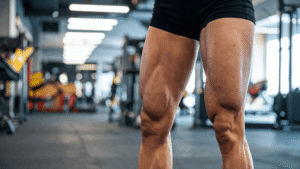
A lot of people like to work out early in the morning.
It’s quiet, the day hasn’t started yet, and it can feel good to move your body before the daily rush begins.
But one question comes up again and again : should you eat before exercising, or can you work out on an empty stomach?
You’ve probably heard people talk about fasted workouts.
This usually means exercising after you wake up but before breakfast.
Some people love it and swear by it.
Others try it once and decide it’s definitely not for them.
Like most things related to fitness, the truth is somewhere in the middle.
Table of Contents
ToggleWhat Exercising on Empty Stomach Actually Means
When you sleep, your body spends several hours without food. By the time you wake up in the morning, it has already used some of the energy stored from the previous day.
So if you start exercising before eating breakfast, your body doesn’t have fresh fuel coming in. Instead, it begins using the energy it already has stored – including fat reserves.
This is one of the main reasons people try fasted workouts.
They hope it will help the body use more fat for energy.
Why Some People Prefer It
For many people, the biggest reason is simply comfort.
Working out right after eating can sometimes feel heavy. Your body is busy digesting food, and at the same time you’re asking your muscles to work harder. That can make exercise feel slower or even uncomfortable.
When your stomach is empty, movement can feel lighter. A short walk, light jog, or stretch session can feel easier without food sitting in your stomach.
Another reason is routine. Some people like the simplicity of waking up, exercising, and then eating breakfast afterward. It becomes a habit that fits naturally into the day.
Does It Really Burn More Fat?
This is where things get interesting.
Because the body has fewer carbohydrates available in a fasted state, it may rely more on stored fat while you exercise. That’s the basic idea behind fasted training.
But it’s important to keep expectations realistic. Fat loss depends on many factors: your overall diet, how often you exercise, how well you sleep, and your general lifestyle.
Regular exercise can also help improve insulin sensitivity, which plays a role in reducing the risk of conditions such as Type 2 Diabetes.
So while fasted workouts may help in some situations, they are only one piece of the bigger health picture.
Exercises That Usually Work Best
Not every type of workout feels good on an empty stomach. Very intense training often requires more immediate energy.
However, plenty of activities work well without eating beforehand.
Light cardio is usually fine. Things like brisk walking, easy cycling, or relaxed jogging can be done comfortably by many people.
Morning stretching routines can also be helpful. They loosen tight muscles and prepare the body for the day ahead.
Some people also enjoy practicing Yoga early in the morning. It’s gentle on the body and focuses on breathing, flexibility, and balance.
A Few Practical Precautions
Even if you decide to try fasted workouts, it’s best to approach them carefully.
Start with shorter sessions rather than long ones. Around 30 to 40 minutes is usually enough for a morning workout without food.
Staying hydrated also matters. Drinking water before and after exercise helps your body handle the effort better.
And of course, pay attention to how you feel. If you suddenly feel dizzy, weak, or nauseous, stop exercising and rest. Your body is simply telling you it needs energy.
Situations Where Eating First Makes More Sense
Sometimes exercising on an empty stomach is not the best choice.
For example, intense workouts like long runs, heavy strength training, or demanding sports usually require more fuel. In those cases, eating something light beforehand can improve performance.
People with certain health conditions should also be cautious.
Someone living with Diabetes, for instance, may experience low blood sugar if they exercise intensely without eating.
When in doubt, it’s always better to ask a healthcare professional.
What About Food After the Workout?
Even if you skip food before exercise, eating afterward is important.
Your body needs nutrients to recover and restore energy levels.
A simple breakfast with carbohydrates and protein can make a big difference in how you feel for the rest of the day.
Something as simple as oats, eggs, yogurt with fruit, or a smoothie can work well.
Final Thoughts
Exercising on an empty stomach is neither a miracle trick nor a bad idea.
For some people it works perfectly, especially for light morning workouts. For others, eating first feels much better.
The key is to find what works for your body.
If fasted exercise feels comfortable and helps you stay consistent, it can easily become part of a healthy routine.
If it doesn’t feel right, there’s nothing wrong with having a small meal before your workout.
In the end, what matters most is simple : moving your body regularly and taking care of your overall health.
People Also Ask
Yes, for most healthy people it is generally safe to exercise on an empty stomach, especially if the workout is light or moderate. Activities like walking, stretching, or yoga usually work well without eating first. However, intense workouts may require energy from food. If you feel dizzy, weak, or uncomfortable while exercising, it’s best to stop and eat something.
Exercising on an empty stomach may encourage the body to use stored fat for energy because carbohydrate levels are lower after fasting overnight. This can increase fat usage during the workout. However, long-term fat loss still depends on overall diet, lifestyle, and consistent exercise habits.
Fasted workouts may help increase fat oxidation, improve insulin sensitivity, and make exercise feel lighter for some people. Many people also enjoy the convenience of exercising early in the morning before breakfast. When done properly, it can support metabolic health and improve endurance over time.
Low-to-moderate intensity exercises work best when performed on an empty stomach. Examples include brisk walking, cycling, stretching, light jogging, and Yoga. These activities allow your body to stay active without requiring large amounts of immediate energy.
Most experts suggest keeping fasted workouts between 30 and 45 minutes. This duration allows you to stay active without putting too much stress on the body’s energy reserves. Longer or high-intensity workouts may require food beforehand to maintain performance.
Yes, eating after a fasted workout is important. A balanced meal with protein and carbohydrates helps restore energy levels and supports muscle recovery. Foods like eggs, oats, yogurt with fruit, or smoothies can be good post-workout options.
People with certain medical conditions should avoid fasted workouts or consult a doctor first. For example, individuals with Diabetes may experience low blood sugar if they exercise without eating. Pregnant women or people with low blood pressure should also be cautious.