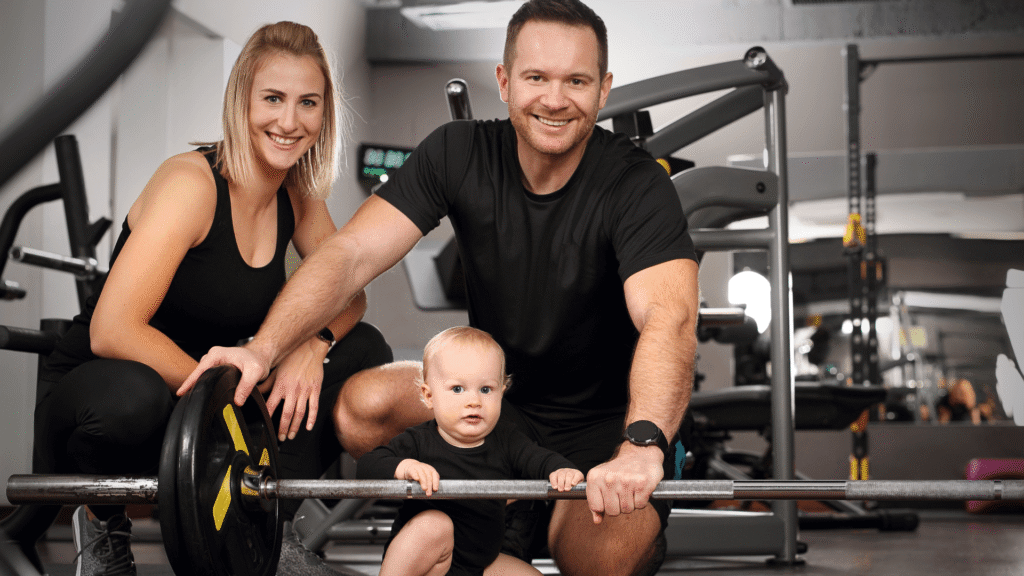
I’ve met a lot of people who want to be in great shape. They have good intentions. They want muscle, energy, and confidence. They want to avoid back pain and sluggish weekends.
But life doesn’t wait for intentions.
Work emails flood morning notifications. Kids need attention after school.
There’s dinner to plan, bills to sort, parents to check on, chores to finish.
And in between, stress builds up quietly – not like a storm, but like a slow leak in a tire.
So if someone asks me, “How do I balance fitness with all this?” – the first thing I say is this:
Fitness is not something you “add on” to your life. It becomes the rhythm underneath everything else.
Not “perfect fitness.” Not three hours a day. Just something that fits around the real stuff.
Let’s talk about how that actually looks in real life – without motivational slogans or unrealistic schedules.
Why Fitness Often Fails in Real Life
Usually, it’s not a lack of desire. It lacks structure.
People think :
- “I’ll start tomorrow.”
- “I’ll train when work calms down.”
- “I’ll do it when weekends come.”
And then five weeks pass.
Work gets busier. Stress increases. Weekends vanish into family errands.
Fitness becomes a luxury – not a habit.
This happens because most people treat fitness as something separate from life, instead of something that runs alongside it.
The first step to balancing everything is to stop thinking : “I’ll fit fitness in if I have time.”
And start thinking : “Fitness gets done because this is how my time works.”
It’s a mental flip more than a schedule tweak.
Success Doesn’t Come From Perfection – It Comes From Consistency
I’ve worked with corporate professionals – bankers, coders, managers – and homemakers.
The difference between the ones who succeed and the ones who stall isn’t motivation. It’s consistent.
Here’s the hard truth : You don’t need two hours a day in the gym.
You need a bit of movement every day, or focused training most days of the week, that doesn’t conflict with your life priorities.
That might look like :
- 30 minutes of strength training before work
- A brisk walk after dinner
- A short stretch or mobility routine at night
- Quick bodyweight sessions during lunch breaks
The goal isn’t to workout every day. It’s movement that sticks without breaking the rest of your life.
Work Is Inevitable – But It Doesn’t Have to Override Health
Most people I know spend 8–10 hours sitting at a desk.
Sitting is not exercise – it’s the opposite of movement. After hours of sitting, many people feel stiff, tired, and mentally drained.
So here’s what works better than a perfect 90-minute session once a week:
Short, Smart Breaks
Walk to get tea. Take the stairs. Stand up every hour. Do two sets of air squats or desk push-ups.
These sound trivial, but over a week they become the foundation of fitness, especially when you can’t hit a gym every day.
Family Needs Time – But You Can Move Together
Kids don’t care about your gym schedule. They care if you play with them.
Movement doesn’t have to be isolated.
- Try weekend walks or hike
- Try dance evenings with family
- Try playing soccer in the yard
- Try bike rides after dinner
When fitness becomes a family activity, it no longer competes with family time – it is family time.
You’re bonding and moving. That matters.
Stress Is a Silent Trainer – And Not the Good Kind
Most people think stress only affects their mind.
But it impacts the body first.
Chronic stress spikes cortisol.
Cortisol affects:
- sleep
- cravings
- inflammation
- recovery
- energy
You can train every day, but if you’re stressed constantly, your body is in “fight or flight” mode – not “grow and recover” mode.
That’s why people with stressful jobs sometimes get worse results than people who train less but sleep well and manage stress.
So balancing fitness means balancing stress too.
And stress management isn’t a phrase – it’s habits :
- breathing exercises
- short walks just to clear your head
- listening to music you enjoy
- talking to someone you trust
- setting boundaries at work
Movement doesn’t have to be intense. It just has to shift your nervous system away from stress.
Sleep Is the Silent Decider
Work hours stretch late, kids need attention at night, chores get postponed, you scroll on your phone – and suddenly midnight happens.
People underestimate how much sleep quality affects :
- energy
- hunger
- recovery
- mood
- immunity
- focus
Training hard with poor sleep is like revving an engine without oil.
So prioritising sleep becomes part of balancing fitness – not optional, but essential.
Good sleep makes workouts better. Better workouts make stress lower. It’s a cycle, not a sequence.
You Don’t Need “Time” – You Need “Priority”
Ask yourself : Would I cancel the gym for a show? For scrolling? For something less important than my health?
If the answer is yes, then fitness isn’t a priority – it’s a fallback.
Real balancing isn’t about time management alone. It’s about deciding what matters consistently, even when life feels busy.
People who balance work, family, and fitness don’t have more time. They have clarity about where fitness fits in their day, and they protect that spot.
A Simple Real-Life Template That Works
Not perfect – but doable —
Morning (before work) :
Stretch for 5 minutes or do a short mobility routine.
Lunchtime :
Walk 10-15 minutes after eating.
Evening :
30-40 minutes of strength training or brisk walk.
Night :
10 minutes of breathing, slow stretching, or unwinding habits.
This doesn’t sound heroic. It doesn’t need to be.
But done every day, it builds fitness without tearing your life apart.
When Life Gets Too Heavy – Adjust, Don’t Quit
Workload spikes. Kids get sick. Relationships need attention. Stress peaks.
It happens.
The worst thing people do when life gets heavy is panic and quit fitness entirely.
You don’t quit. You adjust.
You reduce volume. You shorten sessions. You focus on stress-reducing movement. You maintain presence, not intensity.
Holding the habit matters more than holding the plan.
Final Thought
Balancing fitness with work, family, and stress isn’t about doing more. It’s about doing the right things consistently with the time you actually have.
Fitness doesn’t need to be a burden. Fitness can become the thing that silently strengthens your ability to handle everything else.
Not tomorrow. Not when work settles. Now.