I’ve been around gyms long enough to know one thing: people don’t stop working out just because the air goes bad.
They shouldn’t, honestly. But the way you train needs to change.
A lot of folks push themselves blindly in high pollution, and the body ends up doing double duty – handling your workout and fighting off the junk you’re breathing.
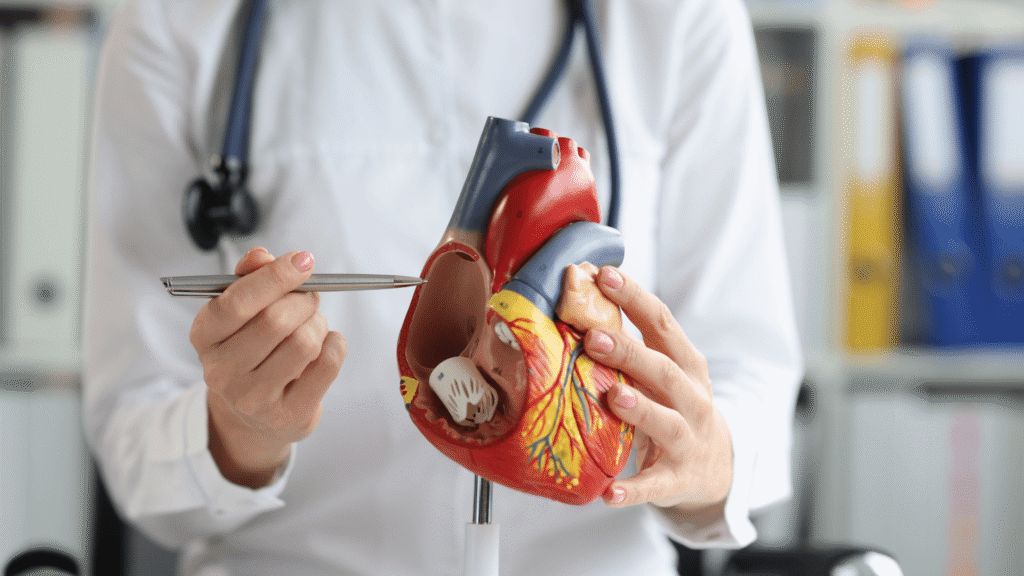
Let me put it simply : when pollution spikes, your heart works harder even when you’re not training.
Add a tough workout on top of that, and suddenly you’re asking your heart to run two marathons at once.
That’s why I always tell people, don’t stop moving… just choose the right kind of movement.
This isn’t about fancy names or complicated routines. It’s more about listening to your lungs and not acting like you’re in perfect conditions when the AQI says otherwise.
Let me walk you through what actually works – the things I’ve seen help people stay active without putting unnecessary load on their heart.
Why Pollution Changes the Way You Should Exercise
People underestimate dirty air.
You breathe faster during exercise, which means you’re pulling in more pollutants per minute.
Your body has to filter that stuff and your heart is in the middle of that fight.
This is why intensity matters more than ever. When the air is bad, training becomes a balancing act: enough movement to keep your heart strong, but not so much that you stress it.
You don’t need a textbook to understand that. Just take a walk outside on a high-AQI day – the tightness in your chest tells you the story.
Exercises That Protect Your Heart
These are exercises I generally recommend when pollution is high. Nothing extreme. Nothing that pushes you to breathlessness. Just enough to keep your heart healthy without dragging it through a fight.
1. Slow to Moderate Indoor Walking
The simplest one. You don’t need a treadmill. Just circles around your room, living room, balcony if it’s enclosed. Keep the pace where you can talk without effort.
People underestimate walking. It gives your heart steady work without pushing your lungs into panic mode.
2. Low-Impact Cycling (Indoors Only)
If you have a stationary cycle, this is gold during pollution days. Keep the resistance low. This is not the day for your personal best.
Cycling keeps blood circulation smooth, and you’re not bouncing or straining your joints.
3. Light Yoga That Focuses on Breath Control
I’ll tell you this plainly: heavy yoga is not what I mean. Avoid anything that forces deep outdoor-style breathing during high pollution. Stick to gentle stretches — cat-cow, child’s pose, basic hip openers.
The goal is movement, not intense pranayama.
4. Bodyweight Strength Work
Strength training doesn’t need heavy breathing. Things like :
- Wall sits
- Glute bridges
- Slow squats
- Modified push-ups
- Light resistance band work
Do them at a pace where you’re not panting. This builds muscle without burdening the heart too much.
5. Short Indoor Mobility Routines
Most people think mobility is a warm-up. I see it as a heart-friendly exercise.
Ten minutes of slow circles, stretches, loosening the spine – it keeps the cardiovascular load low and still gets the body moving.
6. Simple Step-Ups on a Low Platform
Nothing high. Nothing explosive. A small step or sturdy stool. Slow up, slow down.
If you feel breathless, stop immediately. Pollution days are not ego days.
7. Light Pilates or Mat Work
Things like :
- Leg raises
- Dead bugs
- Slow core sequences
These give your heart a safe workout. You’re strengthening the system without overloading the lungs.
How Long Should You Train?
Pollution days are not the time for your one-hour sweat sessions. Twenty to thirty minutes is more than enough.
If you want to go longer, split it :
15 minutes morning
15 minutes evening
Your heart will thank you.
When You Should Absolutely Avoid Training
Some days – especially when AQI hits the severe zone – you don’t try to be a hero.
If the air has a smell, looks hazy, or you feel throat irritation inside your home, take a rest day. One rest day is better than putting your heart under pressure it never asked for.
Foods That Help Your Heart When Pollution Is High
This isn’t a diet lecture. Just things that help your body clean up the mess faster.
- Warm water with basic spices (turmeric, black pepper)
- Nuts and seeds (omega-3 helps inflammation)
- Citrus fruits (Vitamin C supports the immune response)
- Leafy vegetables
- Jaggery after meals (old Indian trick for dust exposure)
- Plenty of fluid — even coconut water helps
- Basic homemade meals (skip fried foods; they worsen inflammation)
It’s not about detoxing. It’s about not giving your body extra stress.