I’ve had quite a few clients over the years who tell me, “Rahul, I want enough protein, but I can’t eat eggs or meat every day.”
Whether it’s due to ethics, digestion, cost or simply personal choice, switching to plant-based protein can feel like stepping into the unknown.
What I tell them – and I’m telling you now – is this : you absolutely can get enough protein from plants, build muscle or stay fit with it, and even enjoy better overall health if you plan your diet well.
Let me walk you through what works, what to watch out for, and how you can start today.
Why Plant-Based Protein Makes Solid Sense
• Better for heart & general health
Plants – legumes, pulses, nuts, seeds – tend to be lower in saturated fat and cholesterol than many animal protein sources. That helps your heart in the long run.
Also, many plant-based sources come with fiber, antioxidants and micronutrients – things that support digestion, blood sugar balance, gut health, and reduce inflammation.
• Easier on digestion & better for regular eating
Many people who skip meat or dairy because of digestion issues or intolerance find plant-based proteins friendlier. Plant-protein foods digest a bit softer (if prepared right), and the fiber content keeps your digestion smoother.
• Sustainable, flexible, and affordable (especially in India)
India already has a deep tradition of pulses, beans, lentils, and grains. So getting protein without depending heavily on meat or imported powders is realistic and economical. Plus, when you eat more plants, you’re also contributing less to the environmental burden – something worth thinking about.
• Supports muscle growth – yes, even with plants
When you combine plant-protein sources smartly, you can meet all essential amino acid requirements. Many plant-based proteins – soy, legumes, pulses – come close to a “complete profile.”
With good training + balanced nutrition + enough calories, you can build lean muscle even if you rely mostly or fully on plant protein.
Where to Get Plant Protein – Everyday Foods That Work in India
You don’t need fancy supplements to get protein. Here are the everyday foods I suggest to my clients:
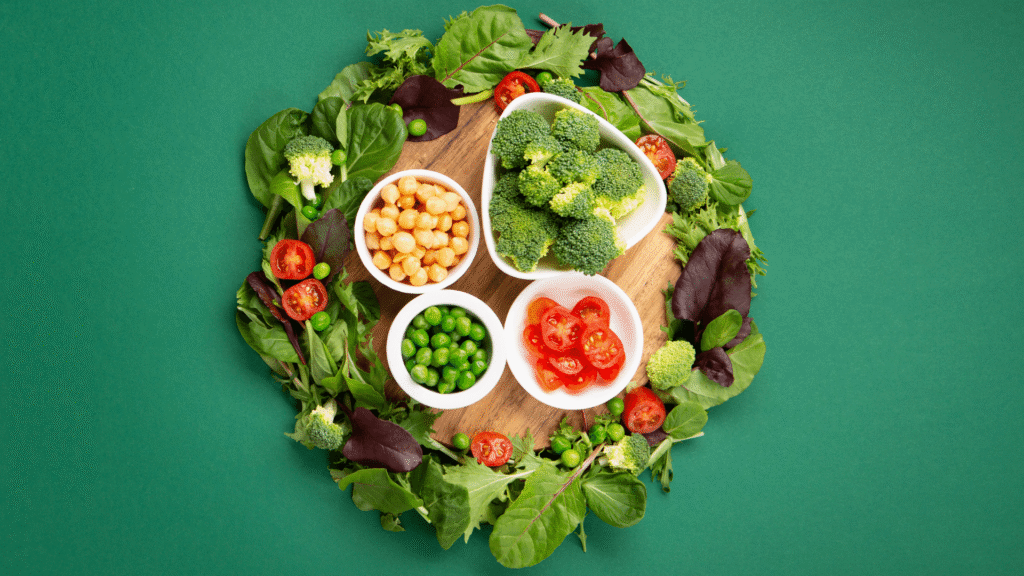
- Legumes & pulses : Lentils (masoor, moong, tur), chickpeas (chana), kidney beans (rajma), black gram/beans, green peas – all packed with protein + fiber.
- Soy & soy-derived foods : Tofu, soya chunks / textured vegetable protein (TVP), soy milk – these are among the most complete plant-protein sources.
- Nuts & seeds : Almonds, peanuts, walnuts, flax seeds, chia seeds – good for protein, healthy fats, and micro-nutrients. Great snack or meal-additions
- Whole grains & pseudo-grains : Quinoa, brown rice, oats, millets (depending on availability) – helps round out meals with steady energy + some protein.
- Vegetables + leafy greens : While not super-high in protein compared to pulses, veggies like spinach, broccoli, beans, peas add micronutrients, fiber, and help overall diet balance
In real Indian meals – daal + roti/rice + veggies + nuts/seeds – you can meet a good chunk of your daily protein with variety, balance, and consistency.
How to Plan a Plant-Based Protein Day
Here’s how I teach my clients to build a “normal Indian day + plant protein” – practical and doable.
Meal / Time | What to Eat / Focus |
Breakfast | Oats / whole-grain porridge + nuts/seeds + a serving of dals or soya chunks / tofu bhurji |
Mid-morning snack | Handful of nuts / seeds or a fruit + peanut butter toast or roasted chana |
Lunch | Dal (lentils/chickpeas/rajma) + brown rice or whole-wheat roti + vegetables + salad with seeds/nuts |
Pre- or post-workout | Smoothie with soy milk + banana + peanut butter or small portion of soaked sprouts/dal |
Evening snack | Roasted peanuts/chana + a fruit or a veggie sandwich with hummus / tofu filling |
Dinner | Mixed legumes curry + whole-grain roti / millets + sautéed vegetables + salad / curd (if you consume dairy) |
This isn’t diet-camp strict. It’s realistic. It’s what a working person in India can follow without fuss. Consistency and balance are the real players here.
How to Avoid Common Mistakes
- Protein quality – mix sources : Relying on just rice or bread won’t give you a complete amino acid profile. Mix dals + nuts/seeds or soy + grains.
- Total protein intake & calories matter : Especially if training hard – you need enough protein and enough total calories to build muscle or recover. Plants offer protein – but sometimes not in the same quantity/calorie ratio as meat.
- Digestive comfort & fibre load : Beans/pulses + fibre is good – but sudden jump can cause bloating. Introduce gradually, soak pulses properly, and drink enough water.
- Micronutrients & balance : Ensure you’re eating a variety – pulses, greens, nuts, grains – so you get vitamins, minerals, healthy fats, fibre, not just protein.
- Realistic consistency over short-term extremes : This isn’t about crash diets or “all salads all the time.” It’s about sustainable eating. Eat enough. Eat regularly. Treat plant protein as fuel, not punishment.
Who Should Consider Plant-Based Protein (or Increase It)
- If you’re vegetarian or vegan
- If you feel heavy or sluggish with meat or dairy
- If you care about digestive health or gut comfort
- If you want to reduce saturated fat intake and protect heart & long-term health
- If you want a flexible, affordable protein plan that works across Indian kitchens
In short – anyone who wants clean nutrition without complicating life unnecessarily.
Final Thoughts – Think Smart, Eat Smart, Train Hard
Plant-based protein isn’t a shortcut, and it isn’t a magic pill. It’s a choice. A well-informed, balanced, sustainable choice.
If you treat it like fuel – not deprivation – and combine it with proper training and recovery, it will serve you well.
You’ll get strength, you’ll stay lean, you’ll feel lighter on digestion, and over time — it becomes a lifestyle, not a “diet.”