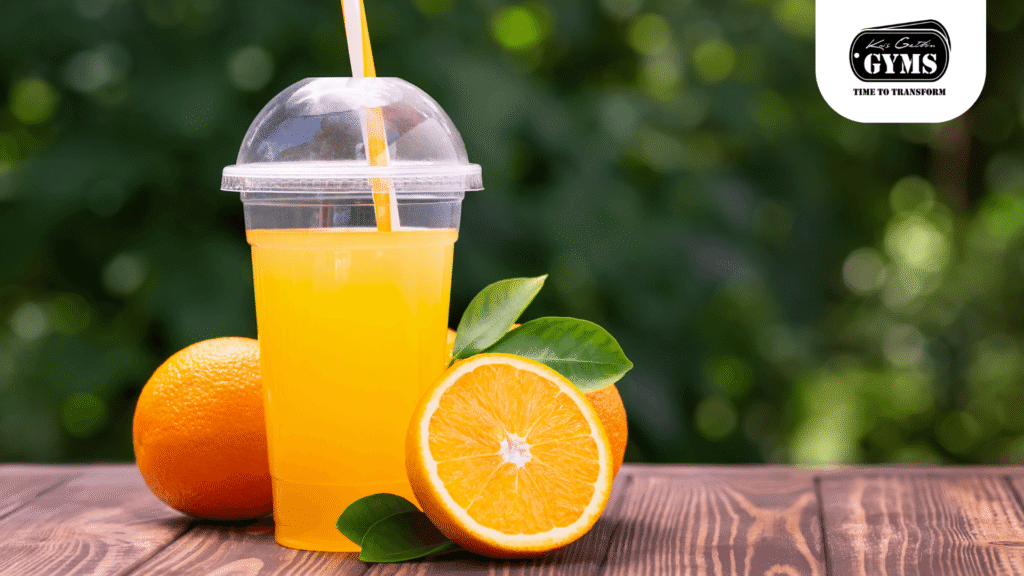
Walk into any juice stall in an Indian city and mosambi sits quietly next to the more famous lemon and orange, rarely the drink anyone actively orders unless a doctor recommended it during a fever.
That’s a shame, because sweet lime deserves more attention in a genuine weight management conversation than it typically gets.
It’s low in calories, genuinely fibrous when consumed properly, and carries a nutritional profile that supports fat loss goals in a few specific, understandable ways, not through any magic, but through mechanisms worth actually knowing rather than just accepting on faith.
What’s Actually In A Glass Of Mosambi Juice
A 100-gram serving delivers roughly 25 calories, 8.4 grams of carbohydrate, 0.4 grams of dietary fiber, and a genuinely meaningful 30 mg of vitamin C, alongside smaller amounts of potassium, calcium, phosphorus, and iron. None of these numbers are dramatic in isolation, but together they explain why this fruit earns a legitimate place in a weight-conscious diet rather than just being a mild, forgettable citrus option.
Why Mosambi Actually Supports Weight Management
It helps blunt hunger pangs. Mosambi carries meaningful citric acid content, and citric acid has been linked to reduced cravings for the kind of unhealthy, impulsive snacking that derails a lot of otherwise reasonable eating patterns. There’s also research suggesting citric acid may support a modest metabolic boost, though this effect shouldn’t be overstated, it’s a supporting factor within a broader eating pattern, not a standalone fat-burning mechanism.
It’s genuinely low in calories. A 200ml serving runs around 31 calories, making it a reasonable between-meal option for anyone managing a calorie deficit and looking for something with actual flavor rather than plain water every single time thirst or a snack craving hits.
Vitamin C plays a real supporting role in fat oxidation. Research published in the American College of Nutrition Journal found that individuals with adequate vitamin C status oxidized fat around 30% faster during exercise compared to those running low on the vitamin. This doesn’t mean vitamin C burns fat directly, it means adequate vitamin C status supports the body’s existing fat-oxidation machinery working properly during training, which is a meaningfully different and more accurate way to think about the claim.
It genuinely supports satiety. The combination of water content and fiber in sweet lime contributes real fullness, provided the juice isn’t strained clean of its pulp. That pulp carries the actual fiber content responsible for keeping hunger managed for longer, which is why straining it out before drinking undoes a meaningful part of the benefit. Some coaches recommend a small 20ml shot before training specifically, the idea being it may help sustain energy through a session without adding meaningful calorie load.
It supports the body’s natural detoxification processes. The acids present in sweet lime support the liver and kidneys doing what they already do, filtering and processing waste, rather than performing some independent “detox” function on their own. Supporting organ function generally correlates with more efficient metabolism overall, which indirectly supports fat loss goals.
How Much Is Actually Reasonable To Drink
Two glasses daily is a sensible upper limit, this isn’t a fruit to binge on simply because it carries genuine benefits. Freshly squeezed, unstrained, and without added sugar is the format that actually delivers on the fiber and satiety benefits described above, sugar-loaded versions from a juice stall undercut the entire point.
Choosing the right fruit matters more than most people realize. Ripe, yellow sweet limes free of spots, heavy and firm with thin skin, juice considerably better and carry the most nutritional value. A dash of chaat masala or black salt adds flavor without meaningfully affecting the calorie count, making it easier to actually stick with the habit consistently rather than forcing down something bland.
A Simple Way To Make It At Home
Mosambi juice turns bitter fairly quickly once exposed to air, a natural enzymatic process, so it’s genuinely best consumed fresh rather than prepared in advance and stored.
Ingredients: 6 to 7 mosambi, peeled and chopped, black salt to taste, roasted cumin powder to taste, chaat masala to taste.
Method: Run the sweet lime pieces through an electric juicer. Serve over ice, garnished with a pinch of black salt and roasted cumin powder for a flavor profile that’s considerably more interesting than plain juice on its own.
Why This Fruit Deserves A Spot In A Serious Nutrition Plan
The real value in mosambi sits largely in the pulp, which is exactly why straining it away before drinking removes most of the fiber content that actually supports weight management in the first place.
This is the same principle we emphasize with clients across nutrition guidance at KRIS GETHIN GYMS, whole, minimally processed food, fiber intact, tends to outperform a stripped-down version of the same ingredient every time, regardless of how much a juice bar tries to sell the “cleaner” version as superior.
A 20ml shot before training, paired with genuinely consistent hydration and a sensible overall eating pattern, is a reasonable habit worth building.
It won’t replace the fundamentals, a real calorie deficit, adequate protein, consistent training, but it’s a genuinely useful, low-cost addition alongside them rather than a magic substitute for any of it.