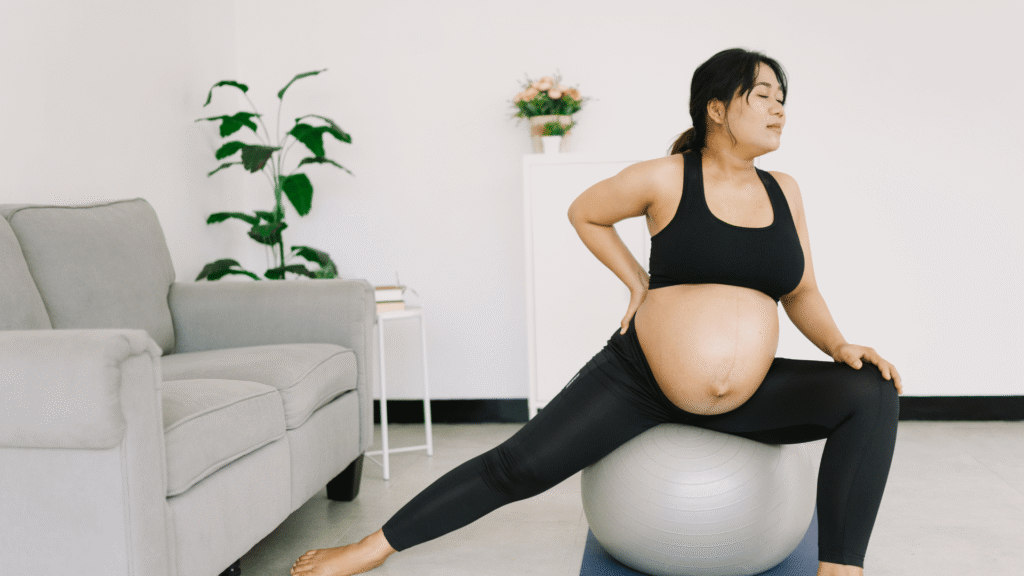
Hearing the words “gestational diabetes” during pregnancy can feel overwhelming.
You’re already managing hormonal changes, body aches, mood swings, and a growing baby – and now you’re told your blood sugar levels are higher than normal.
The good news? In many cases, movement becomes your biggest ally.
When done safely and consistently, the right kind of exercise can help regulate blood sugar, improve insulin response, reduce pregnancy discomfort, and even lower delivery complications.
Let’s break it down in simple terms.
What Is Gestational Diabetes?
Gestational diabetes usually develops between 24 and 28 weeks of pregnancy.
During this time, hormones released by the placenta can interfere with how insulin works. Insulin’s job is to move glucose (sugar) from your bloodstream into your cells for energy.
When insulin becomes less effective – something called insulin resistance – blood sugar levels rise.
If not managed properly, it can increase the risk of :
- High birth weight
- Premature delivery
- Breathing issues in newborns
- Higher risk of Type 2 diabetes later in life (for both mother and child)
But here’s what many women don’t realise :
Your muscles can use glucose directly when you move – even if insulin isn’t working perfectly.
That’s where exercise becomes powerful.
How Exercise Helps Lower Blood Sugar During Pregnancy
When you exercise :
- Your muscles pull glucose from your bloodstream for energy
- Insulin sensitivity improves
- Blood sugar spikes after meals reduce
- Stored glycogen gets used efficiently
Think of it like this – exercise acts as a natural glucose regulator.
Even a short walk after meals can prevent sharp sugar spikes.
Is It Safe to Exercise with Gestational Diabetes?
In most pregnancies, yes – it’s not just safe, it’s recommended.
However, always consult your obstetrician or gynaecologist before starting any routine, especially if you have :
- Placenta previa
- Preeclampsia
- Cervical cerclage
- Risk of preterm labour
Stop exercising immediately if you experience :
- Dizziness
- Vaginal bleeding
- Abdominal pain
- Contractions
- Reduced fetal movement
Safety first. Always.
The 5 Best Exercises for Gestational Diabetes
These are low-impact, pregnancy-safe, and effective for blood sugar control.
1. Walking
The simplest and most underrated exercise.
A brisk 20–30 minute walk daily – especially 10–15 minutes after meals – helps prevent blood sugar spikes.
Why it works :
- Uses excess glucose in the bloodstream
- Improves insulin sensitivity
- Supports cardiovascular health
- Low risk and easy to maintain
No equipment. No gym. Just consistency.
2. Prenatal Yoga
Prenatal yoga combines controlled breathing, gentle stretching, and light muscle activation.
Poses like :
- Cat-Cow
- Butterfly stretch
- Side-lying stretches
help improve circulation and calm stress hormones (which also affect blood sugar levels).
Why it works :
- Reduces cortisol (stress hormone)
- Improves insulin response
- Enhances flexibility and pelvic strength
- Prepares the body for delivery
Bonus : It helps with sleep and lower back pain too.
3. Swimming
Swimming is ideal during pregnancy because water supports your body weight.
That means :
- Less joint pressure
- Lower injury risk
- Full-body activation
Why it works :
- Improves cardiovascular endurance
- Enhances glucose usage
- Reduces swelling in legs and ankles
- Eases back discomfort
Even 20 minutes of relaxed swimming can make a noticeable difference.
4. Stationary Cycling
Stationary cycling is a safe cardio option when balance starts becoming an issue later in pregnancy.
Why it works :
- Activates large muscle groups
- Burns glucose efficiently
- Low-impact on joints
- Minimal fall risk compared to outdoor cycling
Aim for moderate intensity – you should be able to hold a conversation while cycling.
5. Low-Intensity Strength Training
Strength training during pregnancy is often misunderstood.
Light resistance exercises (using bodyweight or light dumbbells) help muscles store and utilise glucose better.
Safe options include :
- Wall sits
- Seated rows (with bands)
- Light squats
- Modified lunges (with support)
Why it works :
- Builds muscle mass
- Improves insulin efficiency
- Reduces risk of excessive fetal growth
- Supports posture and back strength
Keep it controlled. No heavy lifting. No breath-holding.
How Often Should You Exercise?
For most women with gestational diabetes :
- 30 minutes daily
- Or at least 5 days per week
Plus :
- 10–15 minutes of light walking after meals
Consistency matters more than intensity.
Important Safety Tips
Before every session :
- Check your blood sugar levels
- Stay hydrated
- Avoid overheating
- Wear comfortable clothing
- Avoid exercises lying flat on your back after the first trimester
Never push through exhaustion. Pregnancy is not the time for PRs.
Final Thoughts
Gestational diabetes sounds intimidating – but it’s manageable.
Movement becomes medicine.
You don’t need intense workouts.
You need steady, safe activity that supports both you and your baby.
With proper medical guidance and a consistent exercise routine, many women successfully manage their blood sugar and go on to have healthy pregnancies and deliveries.
Take it one walk at a time.