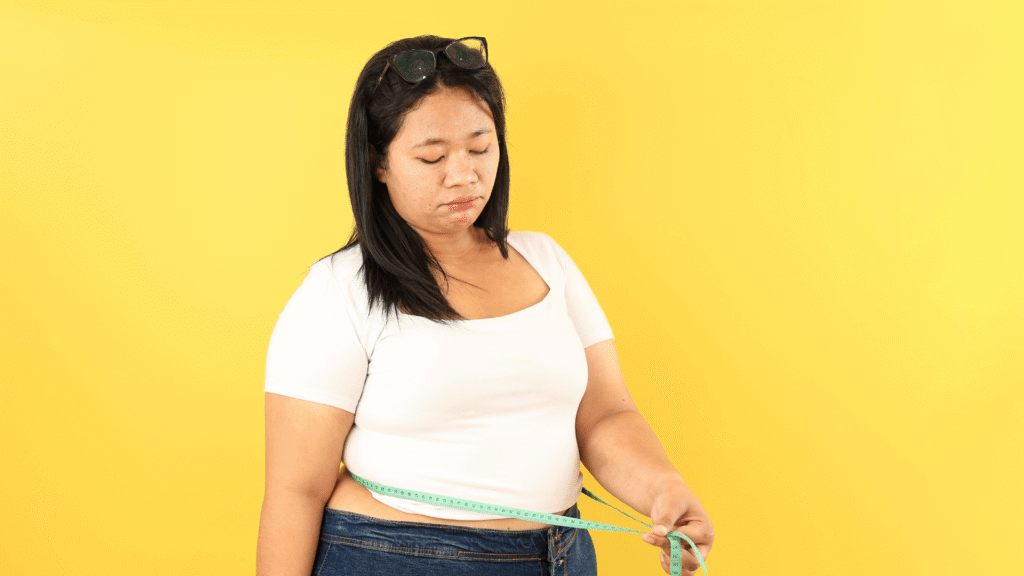
If you’ve ever found yourself eating clean, training regularly, counting calories, and still not seeing fat loss move the way you expect – you’re not imagining things.
For women especially, fat loss isn’t just about discipline or willpower.
It’s deeply connected to hormones. And when those hormones are even slightly out of balance, progress can slow down, stall, or feel frustratingly unpredictable.
That doesn’t mean fat loss is impossible. It means the body needs to be understood, not fought.
Let’s break this down simply – without scare tactics, without extremes, and without pretending hormones are an excuse.
Why Hormones Play BIG Role in Female Fat Loss
Hormones control almost everything that influences fat loss : how hungry you feel, how stressed you are, how well you sleep, how fast your metabolism runs, and even where your body prefers to store fat.
When hormones are functioning well, the body responds fairly predictably to a calorie deficit.
When they’re not, fat loss becomes harder – even when effort stays high.
This is why two women eating the same calories and doing the same workouts can see completely different results.
Important point: hormones don’t cancel out calorie balance – but they do influence how well your body responds to it.
Understanding Calorie Balance
At its core, fat loss still comes down to calorie balance.
If you consistently consume fewer calories than you burn, fat loss should happen over time. That rule doesn’t disappear for women.
However, hormones decide :
- how sustainable that calorie deficit feels
- how much hunger you experience
- how much muscle you retain
- how stressed your body becomes while dieting
This is why fat loss often takes longer for women than men – and why consistency matters more than aggressive shortcuts.
Main Hormones That Affect Fat Loss in Women
Oestrogen and progesterone
These are the primary female sex hormones, and they influence :
- appetite
- metabolism
- energy levels
- eating behaviour
They also fluctuate naturally across the menstrual cycle – and that matters more than most women realise.
During the follicular phase (from your period to ovulation), many women feel :
- more energetic
- less hungry
- mentally sharper
This phase often feels easier for dieting and training.
During the luteal phase (the days leading up to your period), progesterone rises. This can :
- increase appetite
- increase cravings
- reduce tolerance for calorie restriction
This isn’t a lack of discipline — it’s biology. Starting a strict diet during this phase often feels harder for a reason.
You can’t stop these hormonal shifts, but you can work with them by planning food choices, training intensity, and expectations more realistically.
Cortisol
Cortisol gets a bad reputation, but it’s not the enemy. In short bursts, it’s essential for survival.
The problem is chronic stress.
When stress becomes constant – poor sleep, work pressure, under-eating, excessive training – cortisol stays elevated. Over time, this can lead to :
- increased appetite
- abdominal fat storage
- muscle loss
- disrupted sleep
- suppressed immune function
This is why women who “do more” – more cardio, fewer calories, less rest – sometimes see worse results.
Fat loss doesn’t respond well to panic signals from the body.
Thyroid hormones
Thyroid hormones regulate metabolic rate. When thyroid function is low (hypothyroidism), the body burns fewer calories at rest.
This can make fat loss slower and harder, even when food intake seems reasonable.
Thyroid issues can be influenced by diet and lifestyle, but they can also be genetic. That’s why unexplained fatigue, persistent weight gain, and cold intolerance shouldn’t be ignored or brushed off as laziness.
Why Hormonal Imbalances Make Fat Loss Feel Impossible
Hormonal imbalance doesn’t always mean a medical condition. Often, it’s a result of :
- chronic stress
- poor sleep
- overly aggressive dieting
- low nutrient intake
- sedentary lifestyle
- exposure to environmental toxins
When the body feels under constant threat, fat loss becomes a low priority.
The goal isn’t perfection – it’s creating an environment where the body feels safe enough to let go of fat.
How to Maximise Fat Loss While Supporting Hormone Health
1. Improve food quality, not just calorie numbers
Calories matter – but what those calories come from matters too.
Focus on :
- minimally processed foods
- adequate protein
- whole grains
- fruits and vegetables
These support hormone production, digestion, and recovery. Extreme restriction might give short-term scale drops, but it often backfires hormonally.
2. Reduce exposure to exogenous oestrogens
Exogenous oestrogens are compounds that mimic oestrogen in the body. They can come from :
- certain medications
- plastics
- heavily processed foods
While you can’t avoid them completely, foods like broccoli, cauliflower, kale, and other cruciferous vegetables support oestrogen metabolism and balance.
3. Move your body daily
Exercise helps regulate hormones, manage stress, and maintain muscle mass.
This doesn’t mean punishing workouts every day. Even walking regularly can :
- reduce circulating oestrogen
- improve insulin sensitivity
- lower stress levels
Consistency beats intensity here.
4. Manage stress intentionally
Stress management isn’t optional – it’s foundational.
Meditation, yoga, breathing work, or even quiet time away from screens can reduce :
- cortisol
- anxiety
- blood pressure
- heart rate
Fat loss rarely thrives in a constantly stressed body.
5. Prioritise sleep like it matters (because it does)
Poor sleep disrupts hunger hormones and increases cravings.
It also raises cortisol and reduces recovery.
If fat loss feels stuck, sleep is often the missing piece – not another workout.
Where Should You Actually Start
If you suspect hormones are interfering with your progress, testing can be useful – especially for thyroid function, oestrogen, and cortisol.
But even without tests, improving :
- food quality
- movement habits
- stress management
- sleep
will positively impact hormones and fat loss together.
Sustainable results take time – but they last longer when the body isn’t being forced into survival mode.