Let me say this first – most people don’t struggle with knowing they should eat vegetables.
They struggle with actually sticking to it.
Because what usually happens?
You start a diet, switch to boiled veggies, eat clean for 3 – 4 days… and then you’re back to normal food because it just doesn’t feel sustainable.
I’ve seen this happen way too many times.
The problem isn’t vegetables. It’s how people approach them.
When you use them right, they don’t feel like “diet food.” They just make your meals lighter, more filling, and easier to manage.
And that’s where weight loss actually becomes practical.
Why Vegetables Quietly Make Fat Loss Easier
No hype here.
Vegetables don’t “burn fat.” They don’t speed things up magically.
What they do is much simpler and honestly more useful.
They help you eat more food… while consuming fewer calories.
That’s the real advantage.
Most vegetables are high in water and fibre, so they take up space in your stomach. You feel full, but you haven’t eaten much in terms of calories.
And when you’re full, you’re less likely to snack, overeat, or crave random junk later.
It’s not dramatic, but it works.
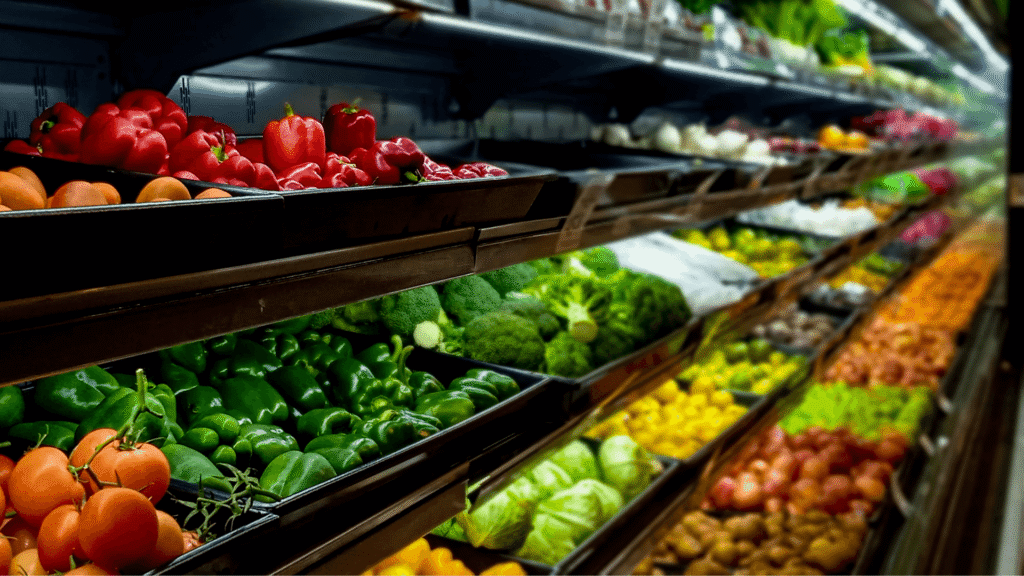
20 Vegetables That Fit Easily Into Weight Loss Diet
I’m not going to over-explain each one. Think of this as a practical list – things you can actually rotate in your daily meals without overthinking.
Spinach
One of the easiest to add anywhere. Dal, omelette, sabzi – just mix it in and you’re done.
Cauliflower
Fills you up more than you expect. Also works well if you’re trying to cut down on rice.
Mushrooms
If you’re reducing meat or heavy foods, mushrooms help a lot. Good texture, low calories.
Bottle Gourd (Lauki)
Not exciting, but very light on the stomach. On days you feel bloated, this actually helps.
Capsicum
This is more about making food interesting. Adds crunch and flavor without adding calories.
Sweet Potato
A bit heavier than others, but very satisfying. Good when you want something filling without junk.
Onions
You’re already eating them. Just don’t ignore how much they add to volume and taste.
Cucumber
Probably the simplest one. Slice it, add salt, done. Keeps you full longer than you expect.
Kale
If it’s available to you, great. If not, spinach does the job just fine.
Brussels Sprouts
Not very common, but similar to cabbage – just denser and more filling.
Cabbage
Cheap, easy, and underrated. You can eat a full bowl and still stay within calories.
Lettuce
Mostly water, but useful when you want to increase portion size without overeating.
Broccoli
Takes time to eat and digest, which actually helps with portion control.
Beetroot
Slightly sweet, so it helps when you’re craving something different.
Celery
Not very common in Indian diets, but extremely low in calories.
Asparagus
Light, simple, and doesn’t feel heavy after eating.
Green Beans
Easy to cook, easy to include, and works with almost any meal.
Chillies
Not for everyone, but they do help with metabolism slightly – and definitely improve taste.
Zucchini
Very flexible. You can even swap it for noodles if you’re experimenting.
Pumpkin
Comfort food. Filling, slightly sweet, and surprisingly helpful when you’re trying to eat clean.
Real Problem Isn’t the Vegetable – It’s How You Cook It
This is where most diets fail.
You take something healthy… and then ruin it with too much oil, butter, or heavy sauces.
Or the opposite – you make everything so plain that you can’t stick to it.
There’s a middle ground.
A little oil is fine. Basic spices are fine. Even roasting or grilling makes a huge difference in taste.
If your food doesn’t taste good, you won’t stay consistent. Simple as that.
What Actually Works in Real Life
Instead of trying to “eat clean” all day, just start with something small.
Add one vegetable to your lunch.
Add one to your dinner.
That’s it.
No complicated plan. No extreme changes.
Over time, your meals automatically become lighter, and your overall intake drops without forcing it.
That’s how most people who successfully lose weight actually do it – they don’t make it feel like a diet.
Final Thoughts
Vegetables aren’t the “hard” part of weight loss.
The hard part is staying consistent without feeling restricted.
And this is exactly where vegetables help.
They make your meals bigger, your hunger more manageable, and your diet easier to stick to.
No extremes. No shortcuts.
Just small changes that actually last.
—————————————————————————–
Disclaimer : This content is for general awareness and should not replace professional dietary advice. Always consult a qualified nutritionist or healthcare expert for personalized guidance.