How to Raise Funds For Gym Business in India
Rahul Gangatkar February 14, 2026 0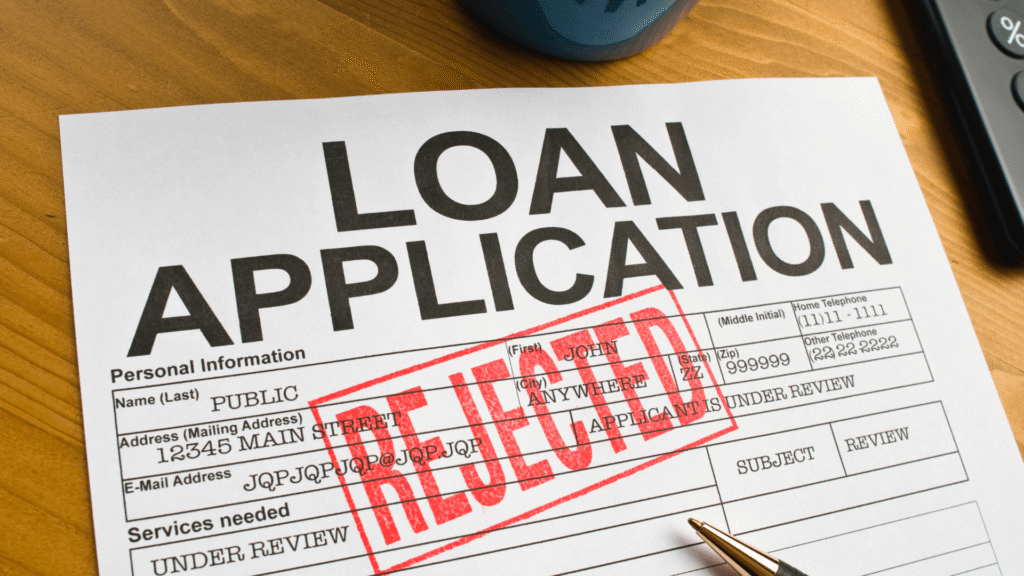
Starting a gym in India is capital-heavy.
Even a modest 3,000–4,000 sq. ft. facility requires :
- Deposit + 6 months buffer
- Equipment
- Interiors
- Air-conditioning
- Staff salaries
- Marketing push
And most first-time founders don’t have property to mortgage.
So the question becomes real:
Can you raise funds for a gym business in India without collateral?
Yes. But not casually.
Let’s break it down properly.
Table of Contents
ToggleHow Much Funding Do You Actually Need?
Before talking about loans, understand capital reality.
Typical Investment Range in India :
- Small personal training studio : ₹5–10 lakh
- Mid-sized commercial gym : ₹10–25 lakh
- Premium franchise model : ₹30 lakh – ₹1 crore+
- Luxury gym (metro, large format) : ₹2–5 crore
Your funding strategy depends entirely on which bracket you’re entering.
Collateral-free loans rarely fund ₹3–5 crore fully.
But they can fund partial components.
That’s where structuring becomes important.
Collateral-Free Funding Options for Gym Business in India
Let’s get practical.
These are real financing channels that don’t require mortgaging property.
MSME & MUDRA Loans
If your gym is registered under MSME (Udyam Registration), you can apply for :
- Mudra loans (up to ₹10 lakh under Shishu/Kishor/Tarun categories)
- MSME business loans (₹10 lakh – ₹75 lakh range depending on profile)
Many public sector banks and NBFCs offer collateral-free loans under government-backed guarantee schemes.
These are ideal for :
- Small to mid-size gyms
- First-time entrepreneurs
- Tier 2 and Tier 3 cities
But approval depends on :
- Credit score (700+ ideal)
- Clean banking history
- Strong project report
Without documentation, this won’t move.
CGTMSE-Backed Loans (Credit Guarantee Model)
Under the Credit Guarantee Fund Trust for Micro and Small Enterprises (CGTMSE), banks can provide collateral-free loans to MSMEs.
Key benefit : The government guarantees a portion of the loan, reducing lender risk.
This is powerful for gym startups that :
- Have no property
- Have limited assets
- Have clean credit profile
However, lenders still evaluate repayment capacity strictly.
Equipment Financing & Leasing
Most people try to fund everything through one big loan.
That’s a mistake.
Split your capital stack.
Equipment suppliers often offer :
- Equipment financing
- EMI-based purchase
- Lease models
In this case, the equipment itself acts as security.
Which means : No separate collateral required.
This reduces upfront capital pressure significantly.
Working Capital Loans / MSME Credit Card
Opening a gym is one thing.
Surviving the first 6–9 months is another.
Many new gym owners underestimate working capital.
You can apply for :
- MSME credit line (up to ₹10 lakh in many cases)
- Short-term working capital loan
This helps with :
- Salaries
- Utilities
- Marketing campaigns
- EMI cushioning
Without working capital, even well-funded gyms collapse early.
Franchise Financing Support
If you’re entering a gym franchise model, some brands assist with :
- Vendor negotiations
- Equipment finance tie-ups
- Reduced upfront franchise fee structure
- Structured payment terms
But don’t confuse “support” with “guaranteed funding.”
You still need strong financial documentation.
Crowdfunding & Community Capital
If you’re opening in a tight-knit community:
- Pre-sale memberships
- Founding member packages
- Transformation-based pre-launch offers
You can generate advance cash flow.
Example :
If 200 people pre-pay ₹15,000 annually → ₹30 lakh upfront liquidity.
That reduces loan dependence.
But it requires strong local marketing before opening.
Angel Investors or Silent Partners
For larger formats or franchise plays :
You may bring in :
- Equity partner
- Silent investor
- Revenue-sharing investor
This avoids debt pressure.
But remember :
Equity is permanent dilution.
Debt is temporary pressure.
Choose wisely.
Eligibility Criteria You Must Meet (Collateral-Free Loan)
For Individuals :
- 21–65 years age
- Indian citizen
- 700+ credit score preferred
- Stable financial background
- Business or managerial experience helps
For Gym Business :
- Udyam registration
- GST registration (if applicable)
- 6–12 months bank statement (if existing business)
- PAN & Aadhaar
- Income Tax Returns (if available)
- Detailed project report
The business plan is critical.
Not generic. Not copied.
It must include :
- Catchment analysis
- Revenue projections
- Break-even timeline
- Member acquisition strategy
- Expense breakup
Lenders reject vague projections instantly.
Common Reasons Gym Loans Get Rejected
Most founders blame banks.
But rejections usually happen due to :
- Incomplete documents
- No formal registration
- Unrealistic revenue projections
- Poor credit score
- Existing high EMI burden
- No repayment capacity proof
If your debt-to-income ratio is too high, lenders back off.
Gym business is considered moderate risk by banks.
So your paperwork must be clean.
Strategic Advice : Don’t Fund Everything With Debt
A common early mistake :
Taking a large loan without a capital buffer.
If you’re opening a ₹25 lakh gym :
Ideally structure like this :
- ₹10–12 lakh own capital
- ₹8–10 lakh loan
- ₹3–5 lakh equipment financing
- ₹2–3 lakh working capital credit line
This reduces EMI stress.
EMI pressure kills early-stage gyms.
Is Opening a Gym Business in 2026 Still a Smart Move?
Yes – but only if :
- You understand local competition
- You price correctly
- You focus on retention
- You build PT revenue model
- You control rent
India’s young demographic supports demand.
But demand does not equal profit.
Execution equals profit.
Funding just enables execution.
Final Reality Check
Raising funds without collateral is possible in India.
But banks fund discipline – not passion.
If you show :
- Structured business plan
- Realistic projections
- Proper registration
- Clean credit
- Skin in the game
You can secure gym business funding.
If you approach casually with “fitness is booming” logic, you’ll be rejected.
Raising funds is step one.
Managing them wisely is where most gym businesses succeed or fail.
People Also Ask
Yes, you can – especially under MSME schemes, Mudra loans, or CGTMSE-backed loans. However, approval depends heavily on your credit score, income proof, and project report quality. Collateral-free doesn’t mean risk-free for banks – they still assess repayment capacity strictly.
Under Mudra loans, you can get up to ₹10 lakh without collateral. MSME loans under CGTMSE may go higher (₹10–75 lakh range), depending on eligibility, business plan strength, and lender policies.
Yes. Most banks prefer a CIBIL score above 700. If your score is below 650, chances reduce significantly. Some NBFCs may approve lower scores but at higher interest rates.
Yes, but approval becomes tougher without prior business experience. If you have fitness industry experience, certifications, or managerial background, your chances improve significantly.
Yes. Many equipment suppliers offer EMI-based purchase or leasing options. Some banks also provide equipment financing where machines themselves act as primary security.
If documents are clean and complete, in-principle approvals can come within a few days. Final disbursement usually takes 3–6 weeks depending on lender verification and paperwork.
Absolutely. Pre-selling memberships or founding member packages can generate upfront liquidity. This reduces dependency on debt and improves your loan profile.
Loan = full ownership but EMI pressure
Investor = less EMI stress but equity dilution
If your projected cash flow is strong, debt works.
If you’re opening a high-ticket premium gym, strategic equity might be smarter.
Sometimes yes – because franchise models show structured revenue data. But lenders still evaluate your personal credit profile and repayment capacity. Brand name alone doesn’t guarantee approval.