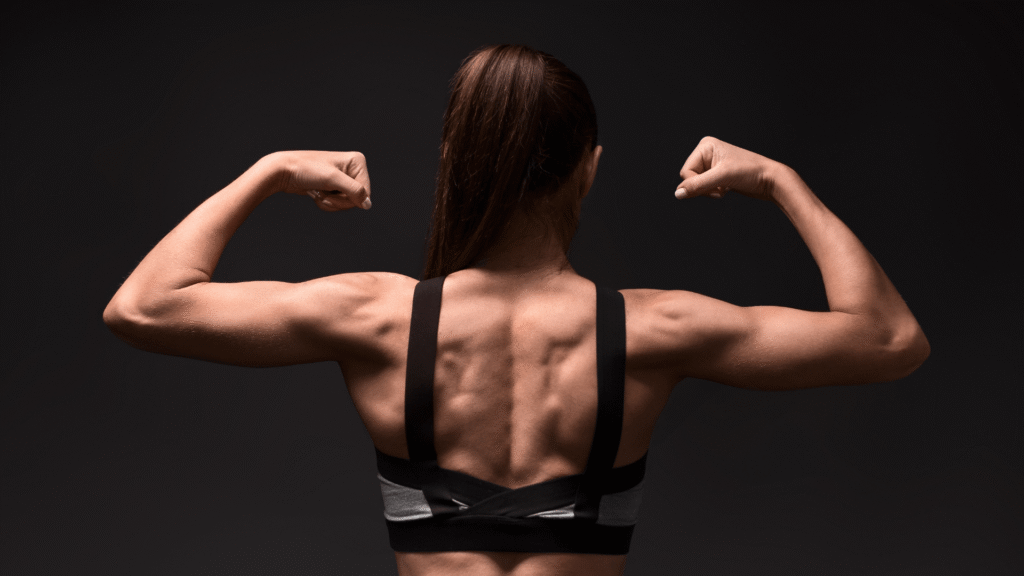
I’ve lost count of how many times I’ve heard this : “I don’t want to lift weights… I’ll get bulky.”
And almost every time, it comes from someone who has never actually tried proper strength training.
Here’s what usually happens instead.
They start lifting, stay consistent for a few weeks, and suddenly notice small changes – better posture, a bit more definition, more energy through the day. Not bulk. Just a stronger, more capable version of themselves.
That’s when the mindset starts to shift.
First, Let’s Clear One Big Misconception
Building muscle is not easy. It takes time, effort, and consistency.
Women don’t accidentally become “too muscular.” Hormones, especially lower testosterone levels compared to men, simply don’t support rapid muscle growth in that way.
What strength training actually does is :
- Improve muscle tone
- Increase strength
- Support fat loss
- Make everyday movements easier
So instead of “getting big,” what most women experience is getting stronger and more defined.
What It Really Takes to Build Muscle
There’s no shortcut here. But it’s also not complicated.
Muscle grows when you challenge it, recover properly, and repeat the process consistently.
That’s it.
But how you apply that matters.
1. Stop Playing It Too Safe With Weights
One pattern I see often – sticking to the same light dumbbells for weeks.
It feels comfortable. You can finish all reps easily. But nothing changes.
For muscle to grow, it needs a reason to adapt.
A simple way to approach this : Pick a weight where the last 2–3 reps actually feel difficult. Not impossible, but challenging enough that you can’t keep going forever.
If you finish a set and feel like you could do 10 more reps, it’s probably too light.
Progress doesn’t come from comfort. It comes from gradually pushing beyond it.
2. Get Your Sets and Reps Right
You don’t need a complicated program.
A simple structure works well :
- 3 to 4 sets per exercise
- 8 to 12 reps per set
If your goal leans more toward strength, go a bit heavier and reduce reps. If you’re focusing on endurance, go lighter and increase reps.
Rest matters too. Give yourself enough time between sets so you can perform properly again.
3. Consistency Will Beat Everything Else
You can have the perfect workout plan – but if you’re not consistent, it won’t matter.
Training 4 days a week, even with a simple routine, is far more effective than doing something intense once in a while.
One thing that genuinely helps : Write down what you do.
Not for perfection – but for awareness. When you see your numbers improving, it builds confidence.
4. Focus on the Right Exercises
Not all exercises give the same return.
If your goal is muscle and strength, the basics work best. Movements that involve multiple muscles at once should be your foundation.
Think of exercises like :
- Squats (for legs and glutes)
- Deadlifts (for overall strength)
- Shoulder presses (for upper body)
- Chest presses
- Pull movements (like lat pull-downs)
These are the ones that actually drive progress.
Smaller exercises like curls or triceps work come later – they help shape, but they don’t build your base.
5. Form Matters More Than Ego
There’s a phase where people start chasing heavier weights just to feel like they’re progressing.
But if your form breaks, the exercise stops doing what it’s supposed to do – and injury risk goes up.
It’s better to lift slightly lighter with proper control than heavier with poor form.
Strength built correctly lasts longer.
6. Your Body Needs Time to Recover
Muscle doesn’t grow while you’re working out.
It grows when you rest.
That means :
- Taking rest days seriously
- Sleeping properly
- Not training the same muscle group every single day
Recovery is where the actual progress happens, even though it doesn’t feel like it.
7. Food Is Half the Game
You can train perfectly and still struggle if your nutrition is off.
To build muscle, your body needs :
- Enough protein
- Enough overall calories
- Proper hydration
You don’t need anything extreme.
Just make sure your meals are balanced and consistent. Skipping meals or under-eating will slow everything down.
What Progress Actually Looks Like
It’s not always dramatic.
At first, it shows up in small ways :
- You lift slightly heavier than last week
- You feel less tired after workouts
- Daily tasks feel easier
- Your posture improves
Physical changes come – but they follow the strength.
And once that strength builds, confidence usually comes with it.
A Simple Way to Start
If you’re unsure where to begin, keep it basic:
- 3 – 4 workouts per week
- Focus on full-body or upper/lower split
- Stick to core movements
- Gradually increase weight over time
No need to overcomplicate it.
Final Thought
Strength training for women isn’t about changing how you look overnight.
It’s about changing how your body feels and performs over time.
Feeling capable.
Moving with confidence.
Knowing your body can handle more than it used to.
And once you experience that, the fear of “lifting weights” usually disappears on its own.